Our updated Pinterest and Instagram pages

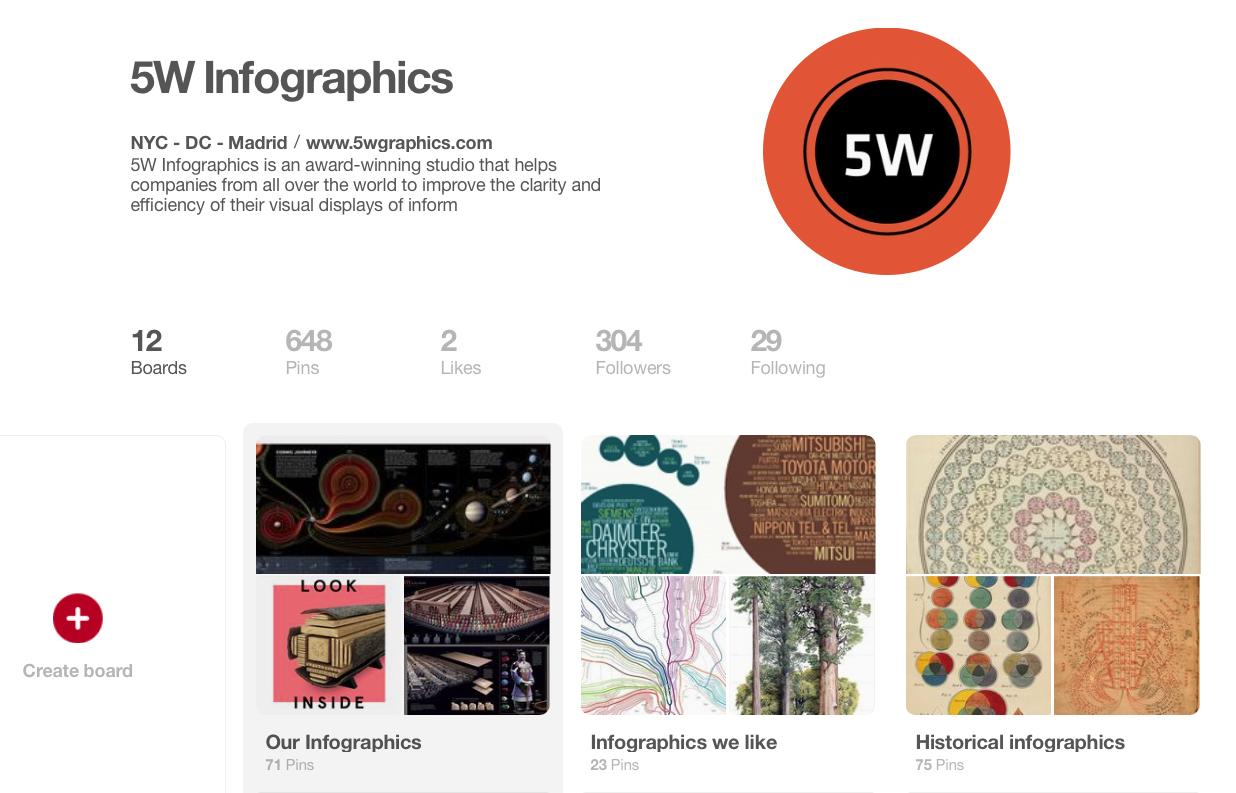
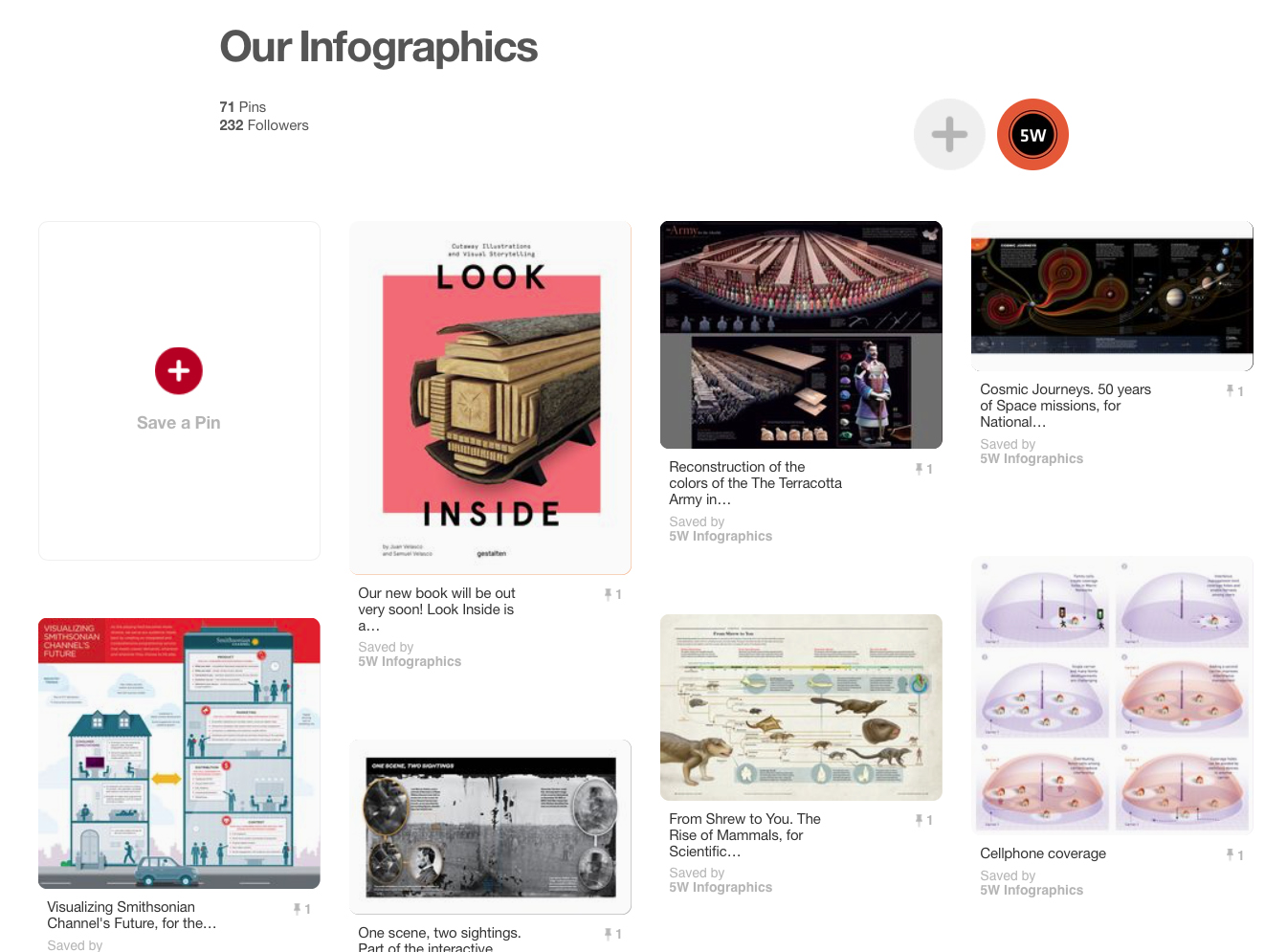
It’s been a while since we last updated our samples online, so we thought this would be a good time to do it. Check out our Pinterest page for a more complete set of samples of our infographics (including recent ones). You’ll also find a few additional boards with other infographics and images we like.

pinterest5w2

pinterest5w

We also have a new account in Instagram (@5winfographics) where we plan to add not only our infographics but other images from our workshops, trips, process, etc.

To complete the roundup of our social media presence, you can follow us on Twitter (@5Winfographics), Facebook and Linkedin

As for our main site, we are planning to update the samples section in the next few weeks as well. If you are looking for news about our infographics / data visualization workshops and training, please visit our 5W Consulting page, or email us: contact@5wgraphics.com.

instagram

Our new book: “LOOK INSIDE” coming out this month


Cover.jpg

Two years ago, we had the idea of putting together a book about cutaway illustrations, one of our favorite kind of infographics. It would be a showcase of the best, most beautiful and fascinating cutaway illustrations ever created, from historical times to now. It would include not only cutaways, but also cross sections, and exploded views. We pitched the idea to Gestalten, a leading international publisher of graphic books in Germany. We had contributed with a few infographics to some of their books before, and we thought they may be interested. They loved the idea!. We have been working together with Gestalten for the last two years putting together this book. Its title is “LOOK INSIDE: Cutaway Illustrations and Visual Storytelling“, and we are proud to announce it will be released this month in Europe, and in November in the U.S. It is, we believe, the first of its kind, showcasing exclusively cutaways, cross sections and exploded views.

lookinside4Cross Section of the SS Bessemer


Lookinside1.pngFender Jaguar, exploded view, by Vladimir Andreev


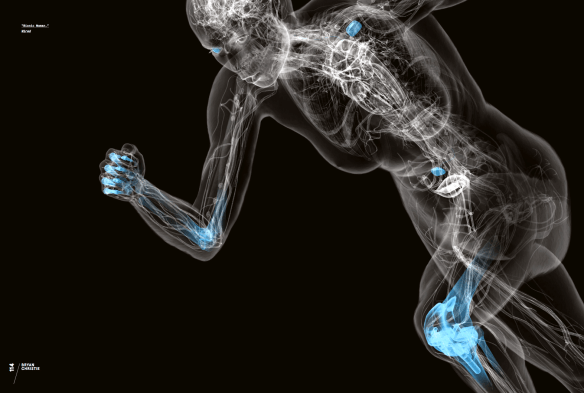
Lookinside2.pngBionic Woman, by Bryan Christie


Lookinside3.pngFeline Anatomy, by Raymond Biesinger

All images from Look Inside, Copyright Gestalten 2016


Gestalten did a fantastic design job and the book itself looks great. It is a large (9.6 x 13 inches) hardcover volume, 256 pages long, choke-full of gorgeous illustrations, and includes several spectacular gatefolds. As for the contents, the book celebrate cutaways in all their variety and richness, from the renaissance engravings of the mystic-scientist Athanasius Kircher, to today’s 3D, X-Ray-like anatomical views of Bryan Christie. Cutaways, exploded views, and cross sections, are explored across a wide range of applications and disciplines. Architectural renderings, anatomical illustrations, machine diagrams, and even fantasy illustrations are just a few of the various subjects presentes in this compilation.

We are so excited about this! We hope you have as much fun with this book as we had making it. The book will be ready for preorder in a few days in Gestalten’s website.

Our Infographics and Data Visualization Workshop in Washington D.C. (Dec 1-2)

dc

slideshow-5w-academy-washington

5W Academy is heading to Washington, D.C. soon for our next Infographics and Data visualization workshop in the US. It will be on December 1-2.

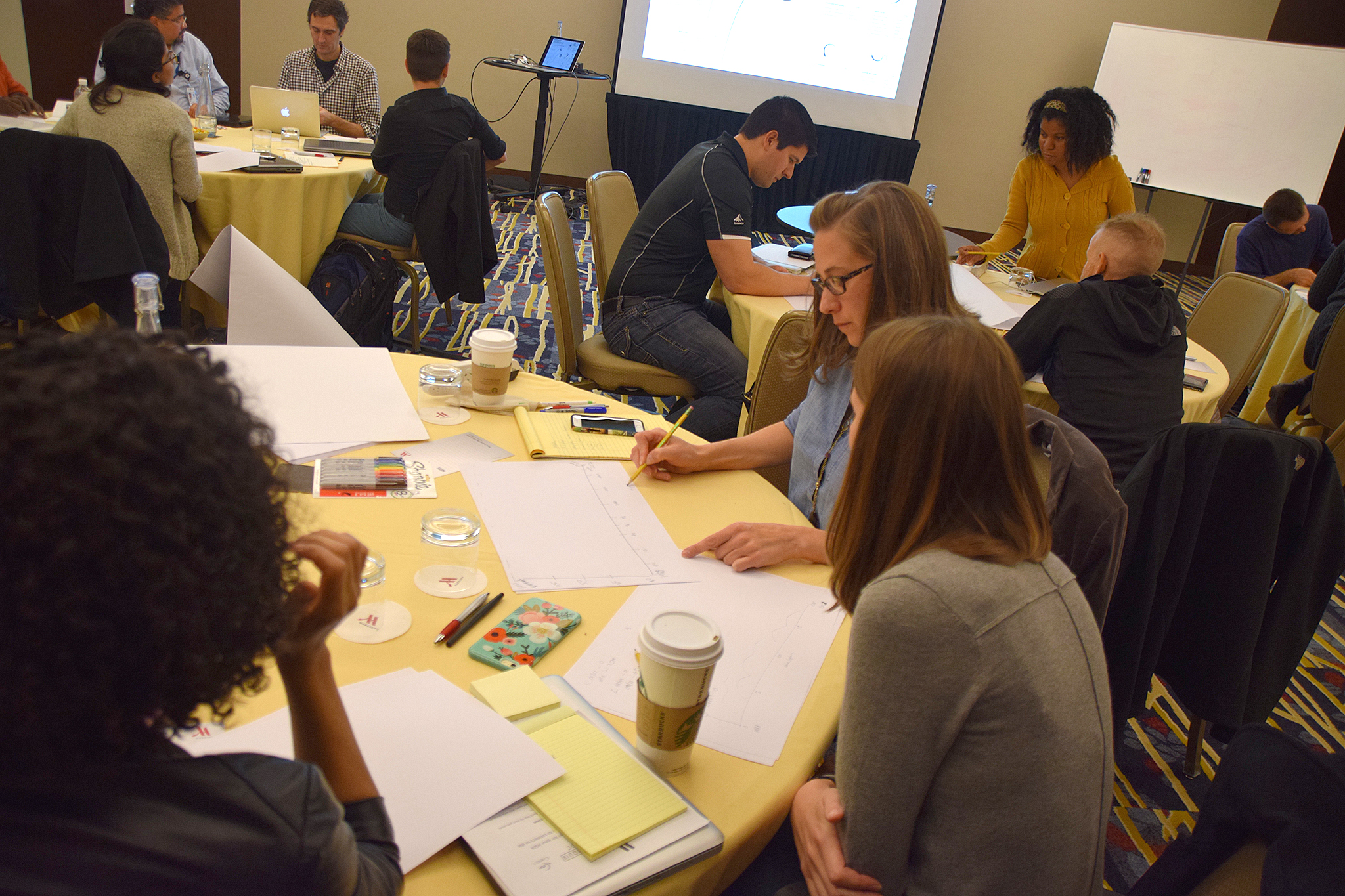
We received great feedback from our D.C. workshop back in October 2015. A combination of local and out-of-state participants from government agencies, design studios, NGOs and other organizations got together for two days.

Workshop2

Our previous workshop in Washington, D.C.

The two-day workshop is a comprehensive introduction to the creation of infographics and data visualization. With a mix of theory and practice, the workshop is aimed at professionals and students interested in developing the skills to produce engaging, insightful visual storytelling with their content. No previous experience with infographics or specialized software is required.

We will learn how to gather and prepare data, the Do’s and Dont’s of working with numerical information and charts, and the principles of visual hierarchy, color, typography, illustration, and narrative to create impactful infographics.

Attendees will sketch out infographics, storyboard motion graphics and create / publish their interactive data visualizations and web maps with the help of Tableau Public. The class will discuss award-winning projects and offer an overview of tools and strategies for creating infographics and data visualization.

Infographics are a universal language. Our most recent workshops in NYC (March), Amsterdam (June, hosted by Graphic Hunters) and Singapore (July, hosted by our friends at Methodology) were great experiences and it seems the demand keeps increasing.

Workshop n Amsterdam, June 2016

Workshop n Amsterdam, June 2016

Workshop in Singapore, July 2016

Workshop in Singapore, July 2016

Learn more about the instructors and schedule in our page or register directly here. We hope we’ll see you soon in DC!

The fantasy maps of Martin Vargic

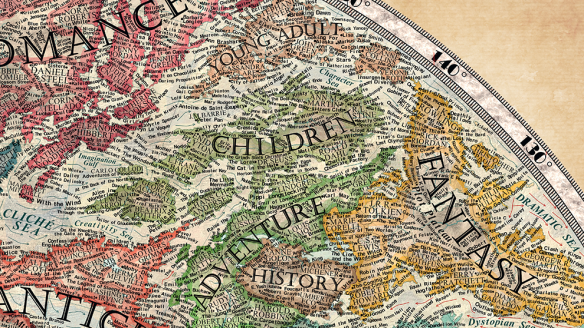
Literature 2.pngMartin Vargic is an 18-year-old graphic artist from Slovakia that has created some of the most interesting, intricate and beautiful fantasy maps we have seen lately. Martin focuses on cultural and popular issues and represents them as very complex maps, using all the graphical and typographical resources of traditional cartography. The results are as beautiful as they are entertaining. Take for example his Map of Literature. In his website Martin says:

“The Map of Literature is a graphical visualization of how the world’s literature evolved from the ancient era to the present day. Different periods and genres of literature are represented by distinct entities (‘countries’) on the map, that unfold from the centre and show the gradual evolution of the various genres. The map is divided into four distinct continents that symbolize the different literary forms: drama, poetry, prose fiction, and prose nonfiction”.

Literature.pngLiterature 1.png

The amount of data crammed into this map is staggering, and the necessary research very extensive, and yet it took Martin only three weeks to finish it (“however I often worked more than 15 hours a day on it.”).

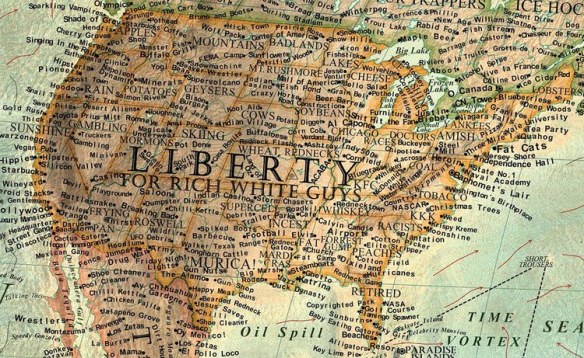
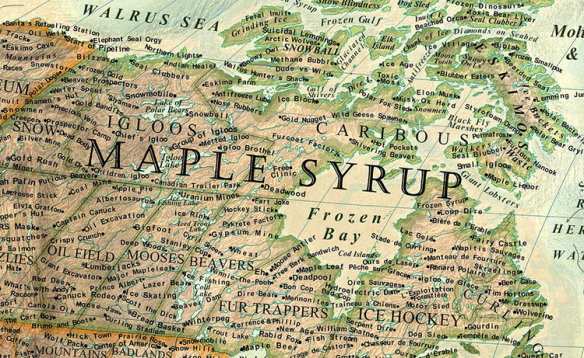
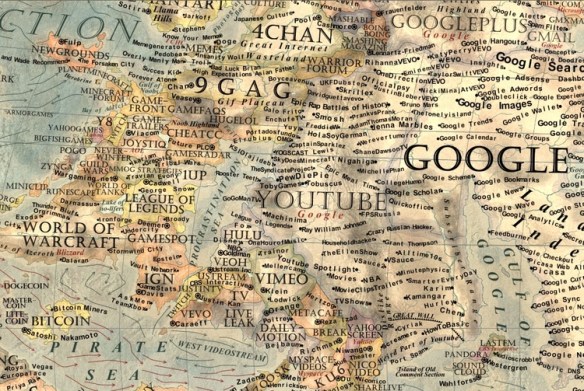
Equally fascinating are his Map of Stereotypes, his Map of the Internet, and many others. Martin’s website, Halcyon Maps, has a great gallery with all his maps. You can even buy prints there.

From the Map of Stereotypes:Stereotypes2.jpgStereotypes3.png
From the Map of the Internet:Internet2.jpgInternet4.jpg

Martin has published a book with his maps called Vargic’s Miscellany of Curious Maps: Mapping out the Modern World, and he is working on a new book of infographics about astronomy and space exploration.

The incredible map collection of David Rumsey

drumsey4

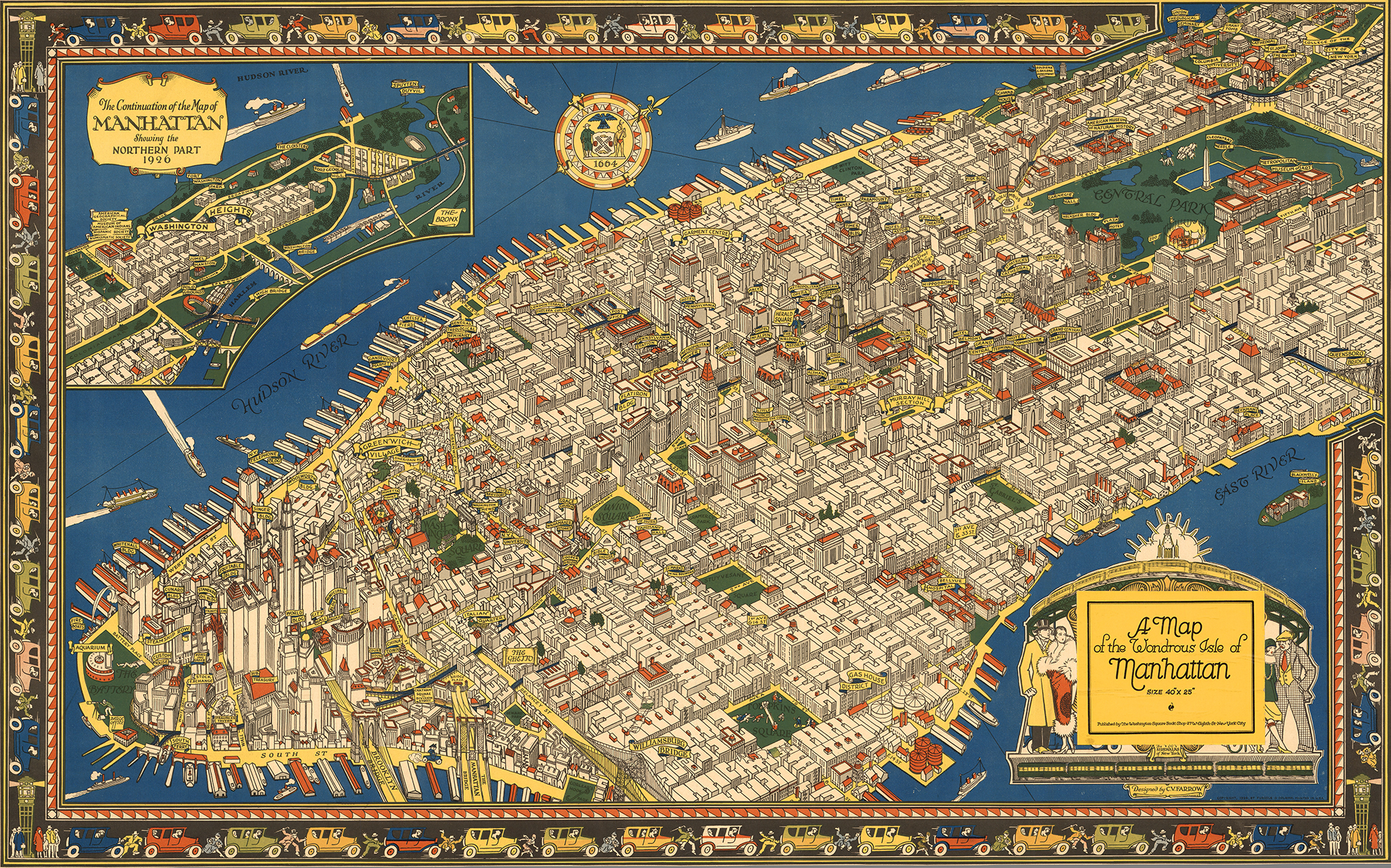
A map of the wondrous Isle of Manhattan, by Charles Vernon Farrow. 1926

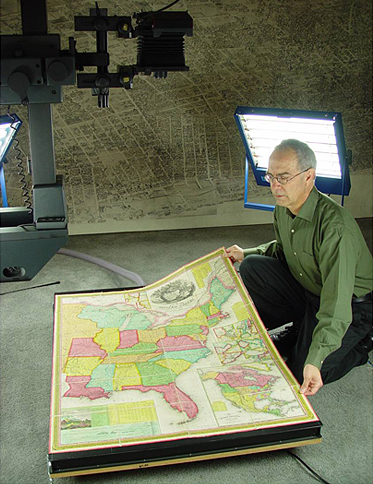
Here is one of our favorite resources, a site you could browse for hours at a time and always discover something amazing. Over several decades, David Rumsey has patiently amassed the most impressive private collection of maps in the world, with around 150,000 historical maps and cartographic artifacts. The former real estate developer and investor, retired at the age of 50, has a passion for cartography and believes in making his collection available to the public as a free resource. He created a website, the David Rumsey Map Collection, that houses over 71,000 maps and images online (a bit less than half his collection). It’s an incredible resource (Click on any of the images in this post for a larger view).
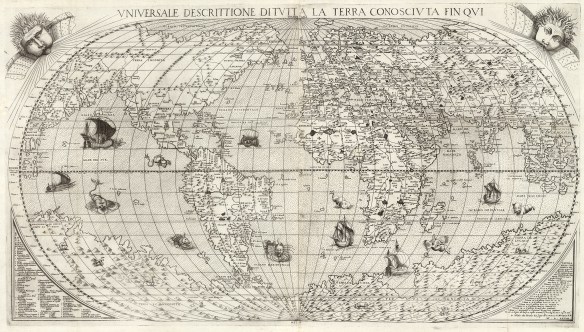
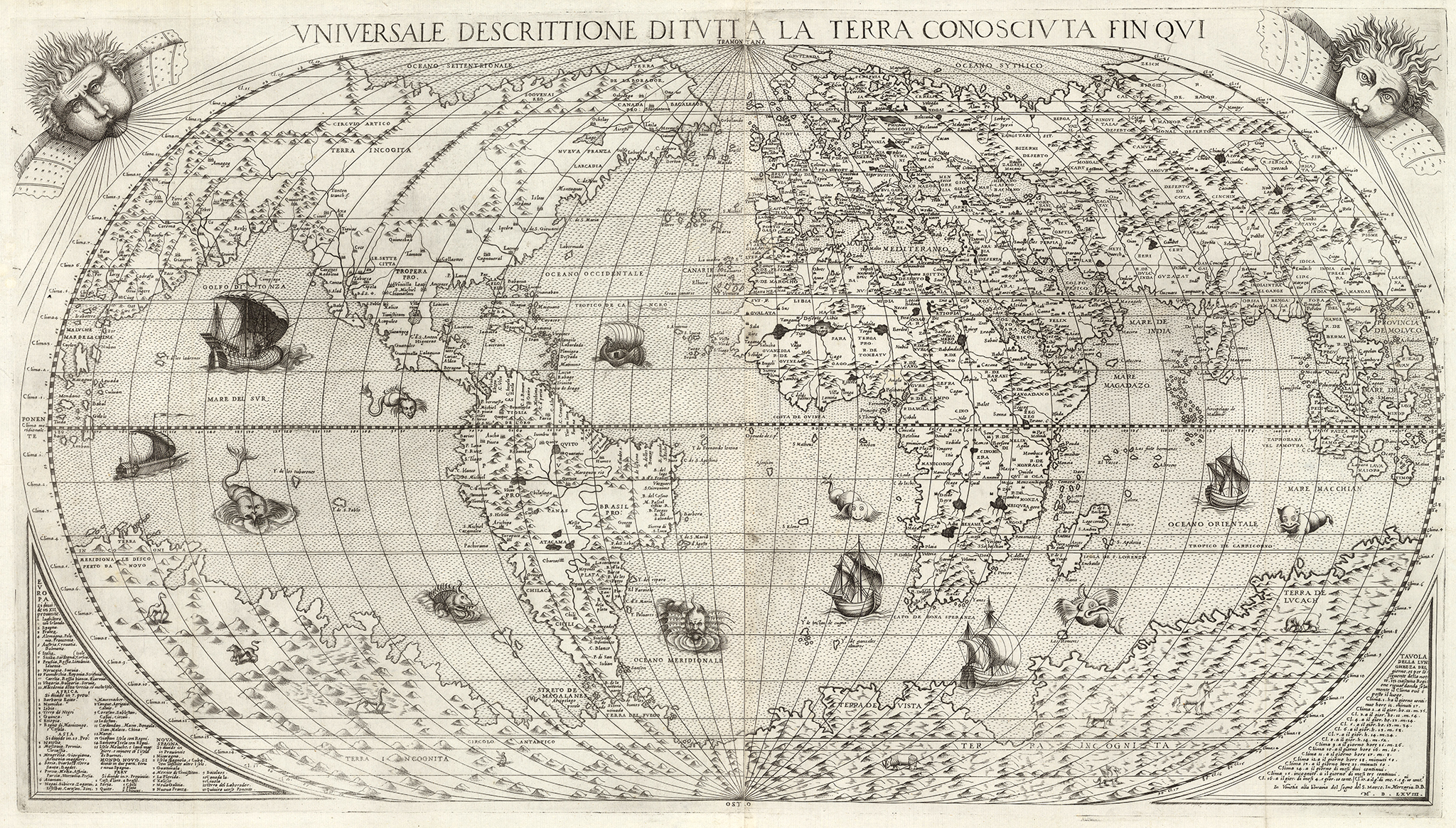
Universale Descrittione Di Tutta la Terra Conosciuta Fin Qui, by Donato Bertelli. 1568

Universale Descrittione Di Tutta la Terra Conosciuta Fin Qui, by Donato Bertelli. 1568

drumsey2

Novissima, et Accuratissima Leoni Belgici. 1611. Claes Janszoon Visscher.

drumsey5

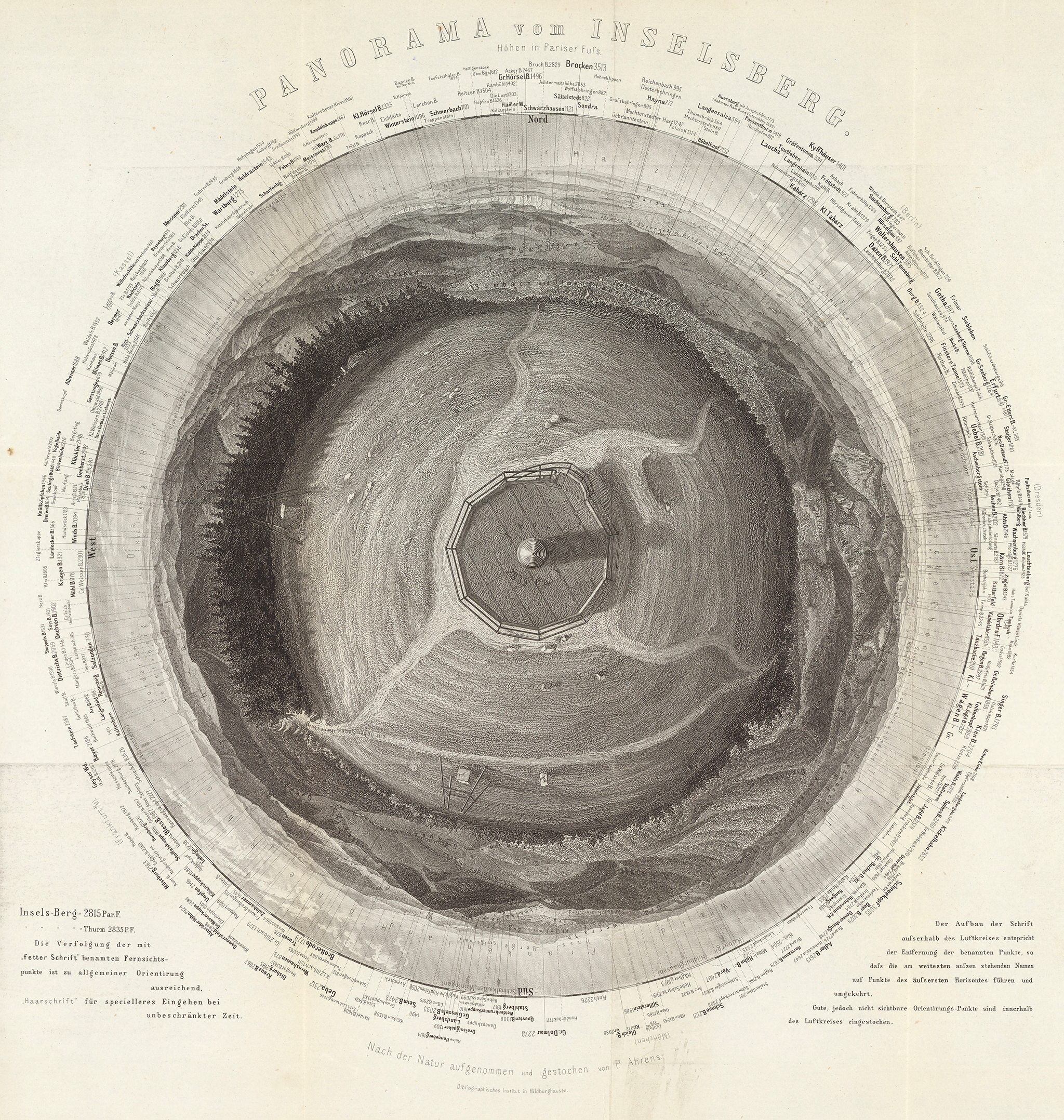
360 panorama from the summit of Gross Inselsberg peak, Germany. By Paul Ahrens. 1860.

San Francisco, the Exposition City, by the North American Press Association. 1912
San Francisco, the Exposition City, by the North American Press Association. 1912

drumsey7

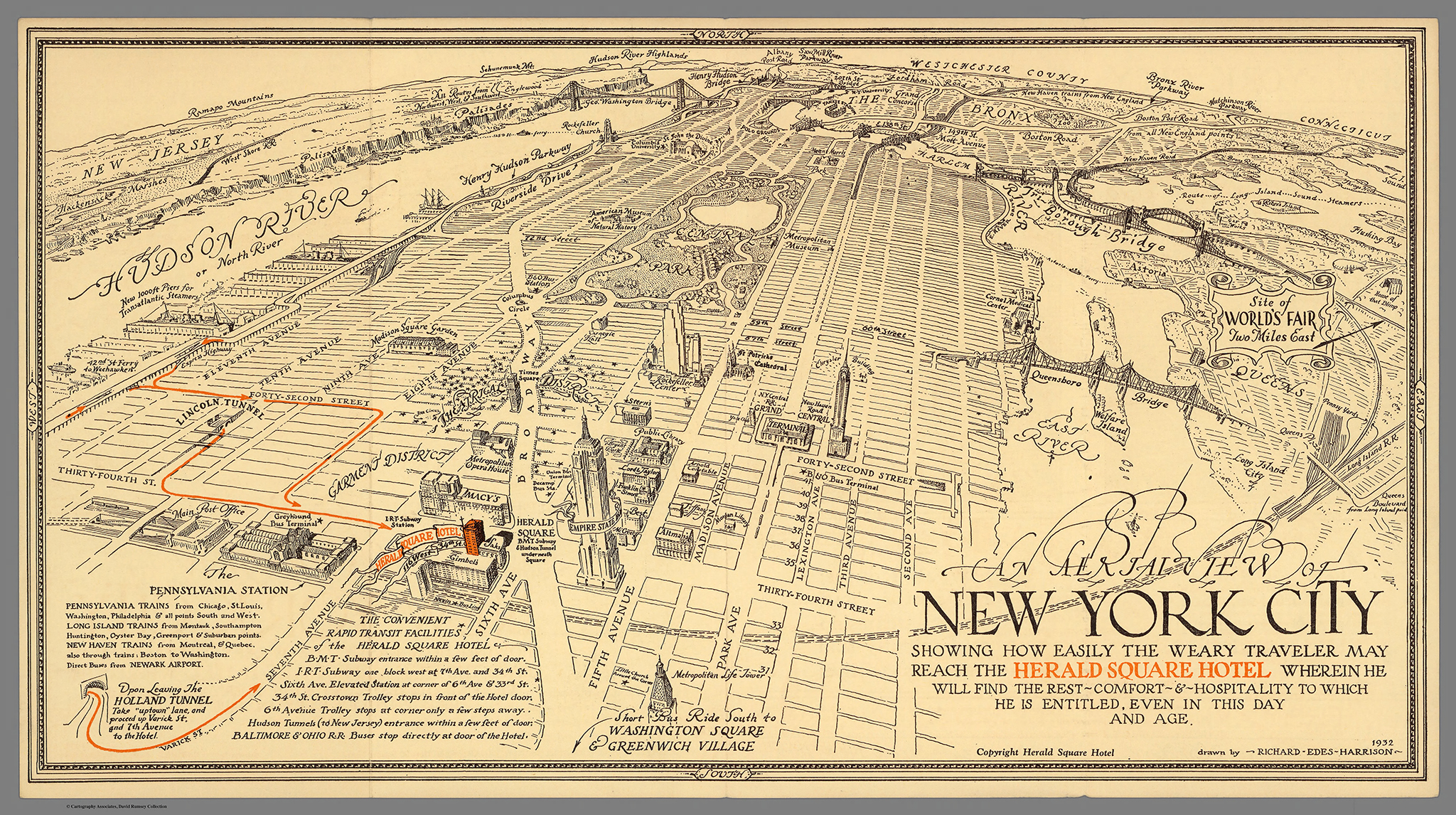
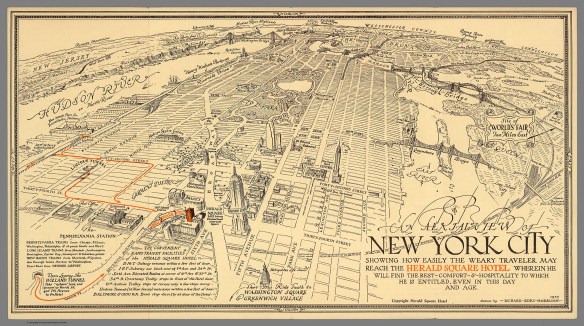
Map of New York City for the Herald Square Hotel, by Richard Edes Harrison. 1932

drumsey1

Feltrino and Bellunese, by Heinrich Caesar Berann. 1936

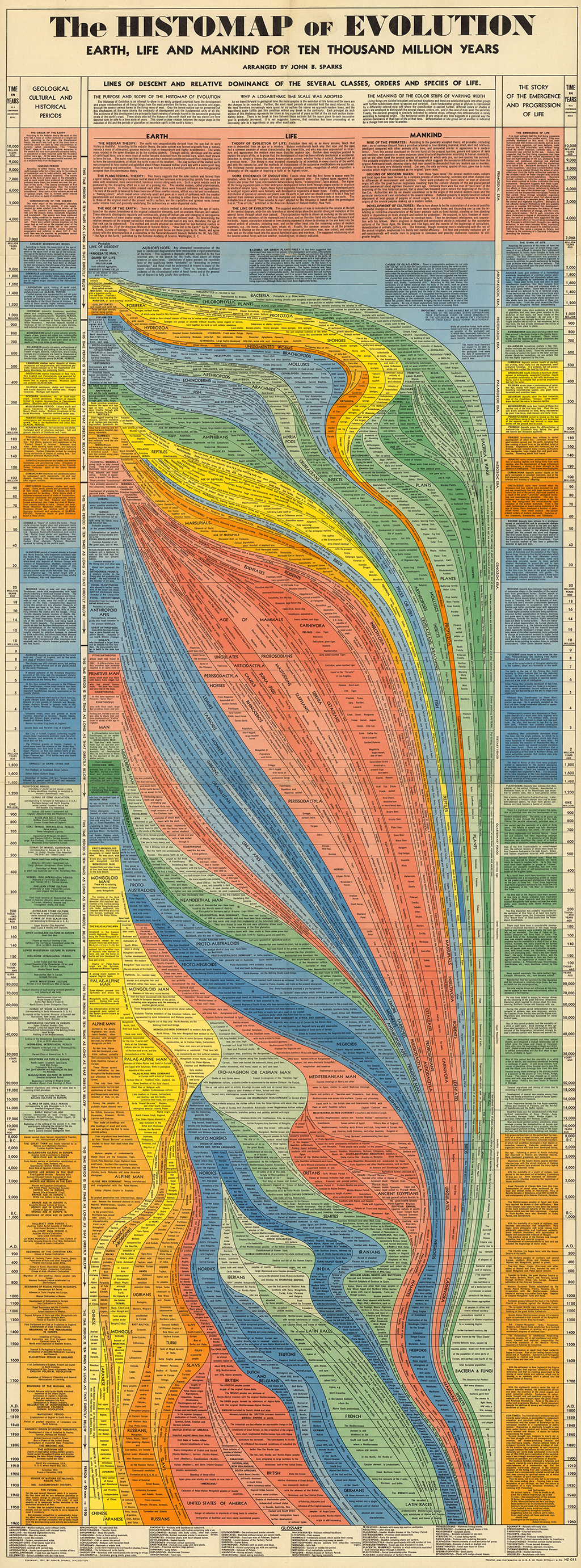
The Collection covers cartography from rare 16th century maps to present. In addition to classic maps, it includes thousands of pictorial maps and other types of images including some charts and diagrams. For example, you can find over 100 beautiful timelines, ranging in date from 1770 to 1967.

drumsey3

The Histomap of Evolution, by John B. Sparks. 1942

Viewers have access to high resolution images of maps that are extensively cataloged, and free to use for non-commercial purposes (and for commercial use, typically is enough to email them, most files are in the public domain anyway). The site also has a tool for georeferencing (correlating points in different maps, which is useful to compare and even overlay old maps that were not standardized or entirely correct with new maps).

To digitize and display the maps at high resolution, Rumsey developed a new company, Luna Imaging. The company’s software, which offered a new way to display large images, is still used by libraries and museums around the world today.

Rumsey donated his entire physical and digital map collections to Standford University in 2009. Last April the David Rumsey Map Center opened at Stanford in the Bing Wing of the Green Library. The online library at www.davidrumsey.com continues to operate in parallel to and integrated with the resources available at the Stanford Rumsey Map Center.
david

David Rumsey

(All images from the David Rumsey Map Collection, www.davidrumsey.com)
 

Randall Munroe’s infographics

Munroe 1.png

Randall Munroe left his job as a NASA roboticist in 2006, proceed to create xkcd.com, and became famous drawing funny and very smart stick figure web comics. He even won the Hugo award for Best Graphic Story in 2014. Very often his comics reveal his scientific background and frequently take the form of witty infographics. These can use humor to take on very serious subjects. Just a few days ago he posted a very interesting infographic on climate change. It is a huge timeline charting Earth’s average temperature for the last 20,000 years. You can scroll for a good while seeing the temperature slowly rising for millennia, and then rocketing up in the last few years.

Thing Explainer.jpg.jpg

Last year Munroe published a wonderful book of infographics called Thing Explainer. It is not your typical “how it works” book. First, all the graphics are done in Munroe’s charming hand-drawn style. Second, he uses only the 1,000 more frequent words in the English language. This is a brilliant idea: the results are often hilarious, and sometimes curiously revealing. A look at the table of contest gives you the tone of the book: “Tiny bags of water you’re made of” (cells); “Sky boat with turning wings” (helicopter); “Lifting room” (elevator); “Bending computer” (laptop); “The pieces everything is made of” (periodic table). Brilliant!

Star Wars Episode IV: the 400-feet-long infographic

swanh-making-of-1

Sometimes you have to admire the amazing creativity and drive of some designers and infographics artists. You may have seen this amazing infographic around already since it’s been out for a while, but we thought it’s worth mentioning it again. It’s that incredible!

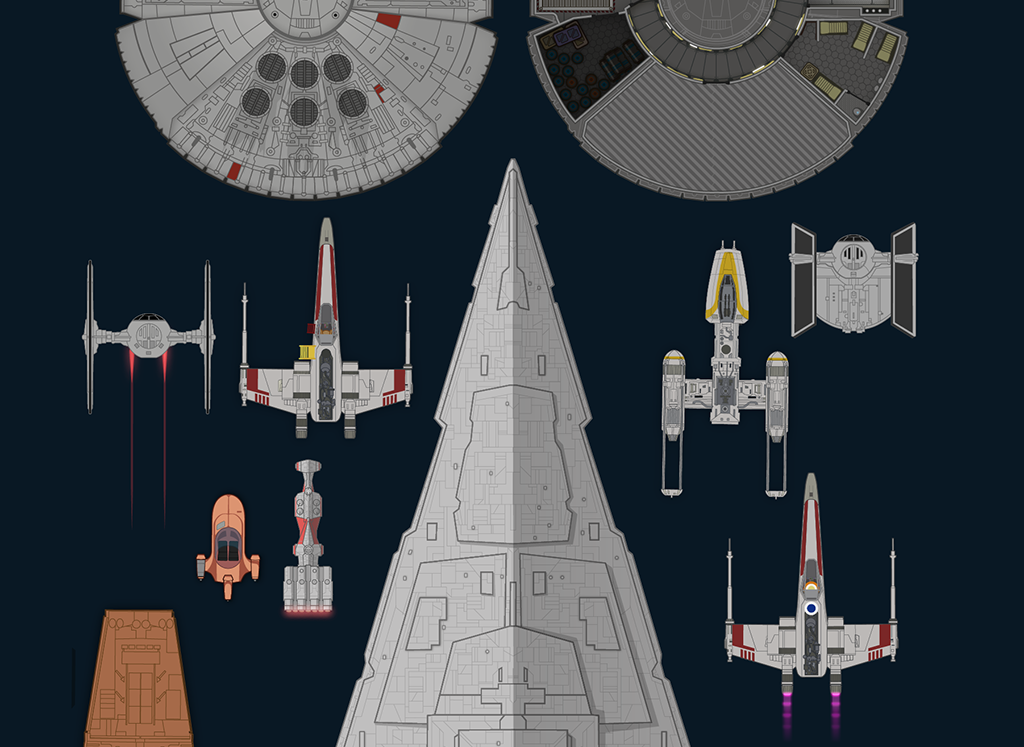
SWANH.NET is an adaptation of Star Wars: Episode IV – A New Hope (the iconic 1977 first movie of the series) as a really, really, really long scrolling infographic. It’s 123 meters long! (4,845 inches or over 400 feet). These images don’t make it justice, make sure to visit the site and scroll through it.

It was created with Adobe Illustrator CC in 2015-16 by Martin Panchaud, a graphic artist and Illustrator based in Zurich. Panchaud didn’t plan to plot the entire movie but once he started he couldn’t help himself, and we are glad. He included every single bit of dialogue and the positions of each character in screen for all the scenes, as well as the entire universe of spacecraft and locations. It took him about 1,000 hours to complete it as a personal project. Impressive work.

swanh-0

swanh-6

swanh-9

swanh-5

swanh-4

Vintage cutaways by Frank Soltesz

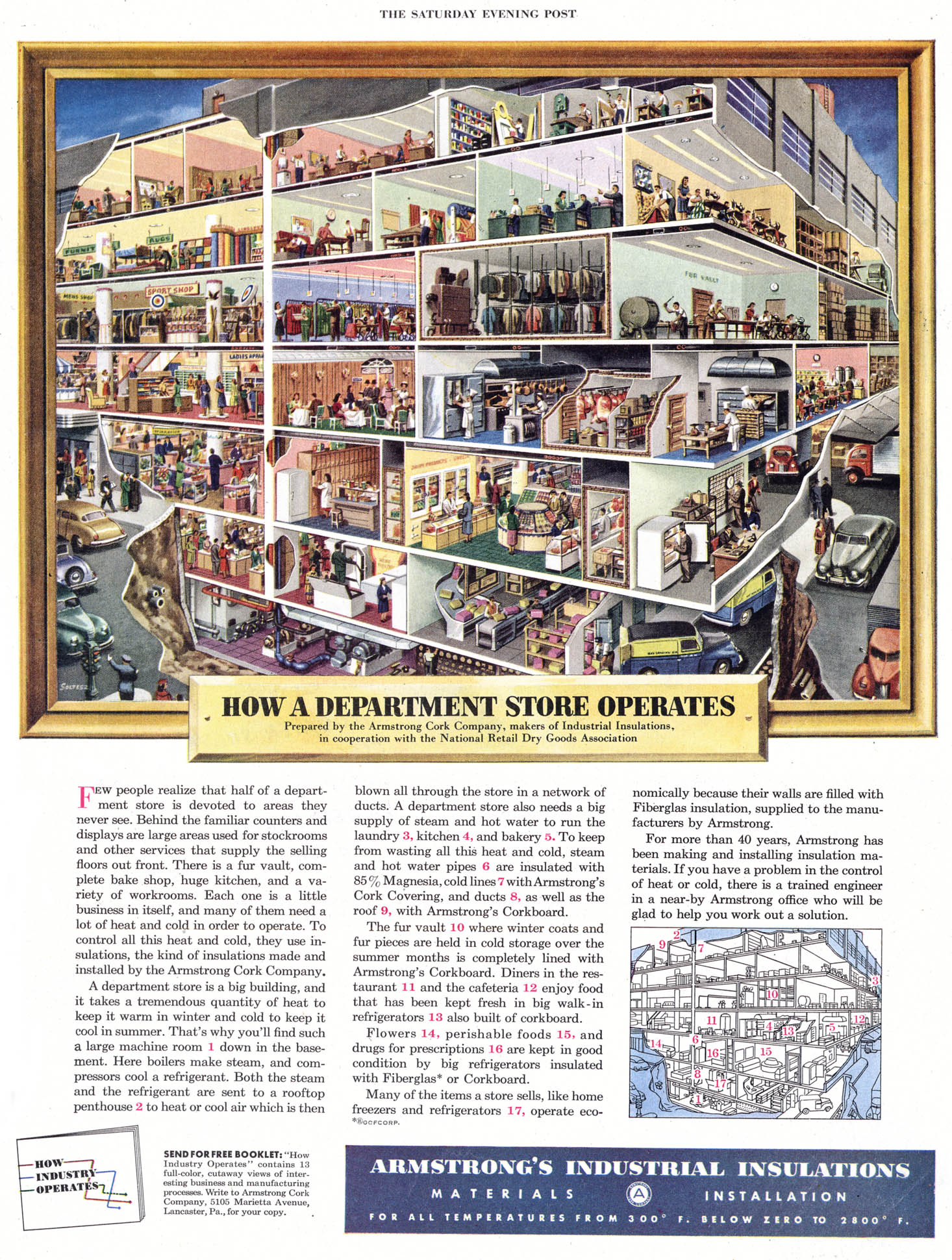
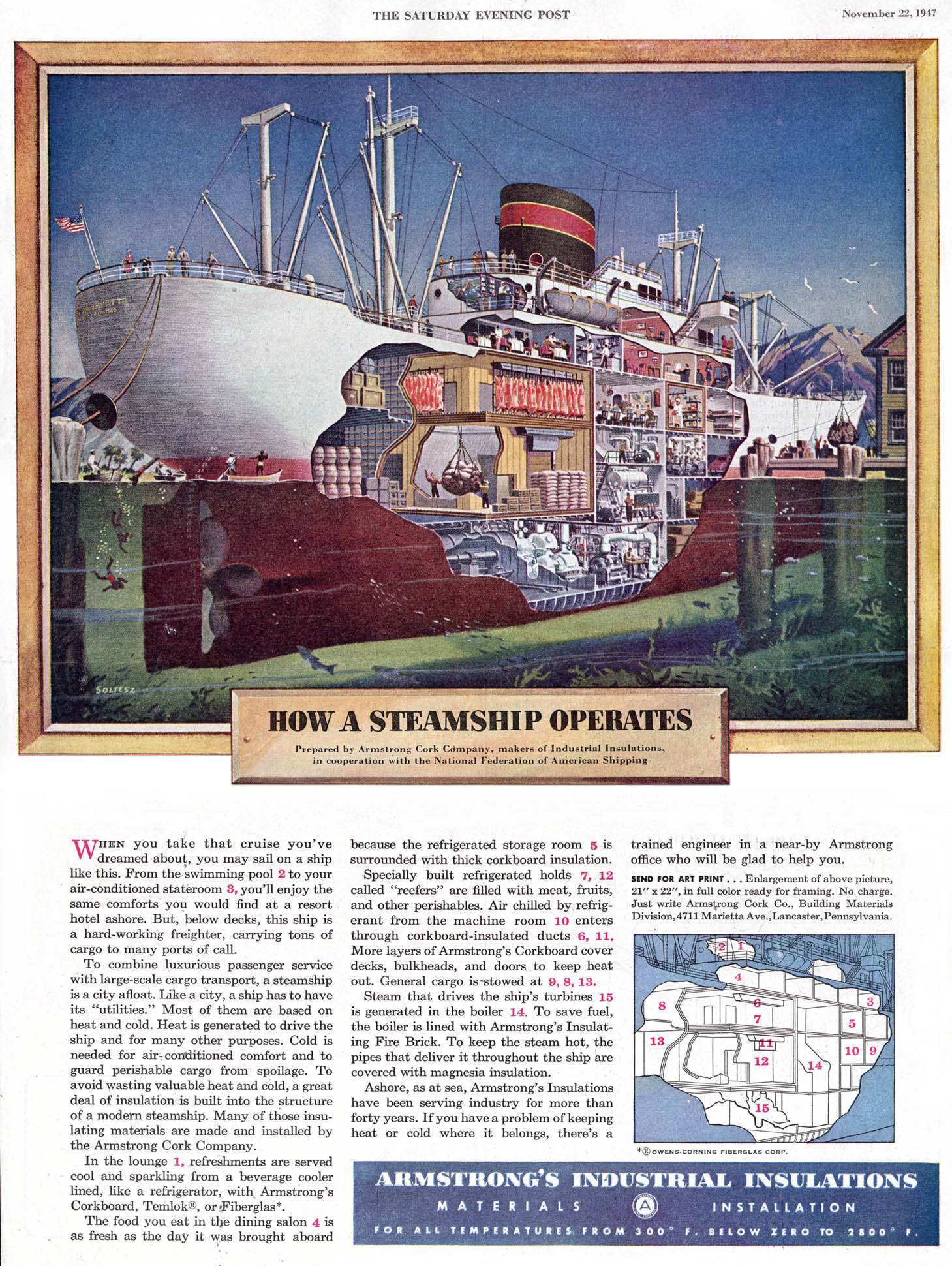
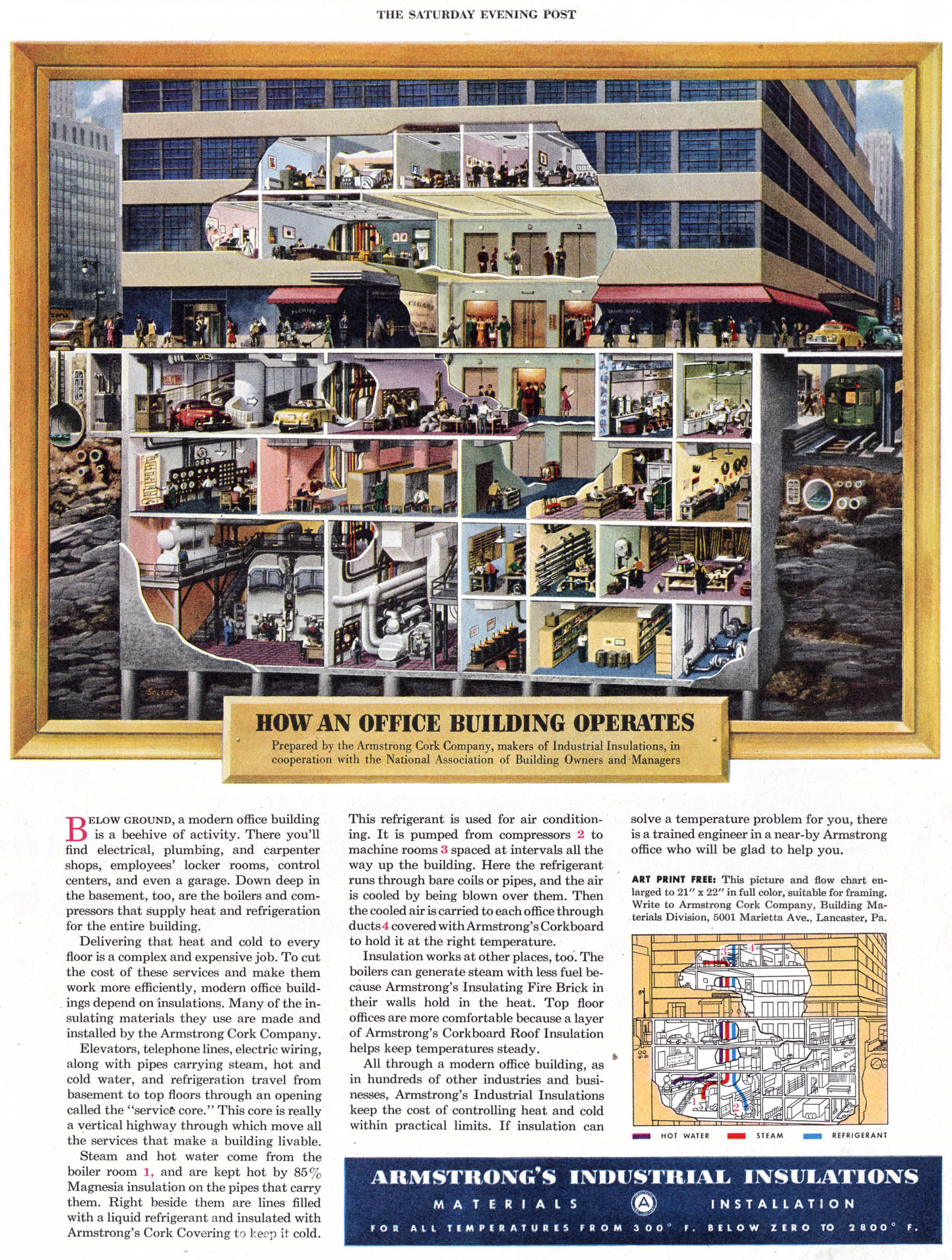
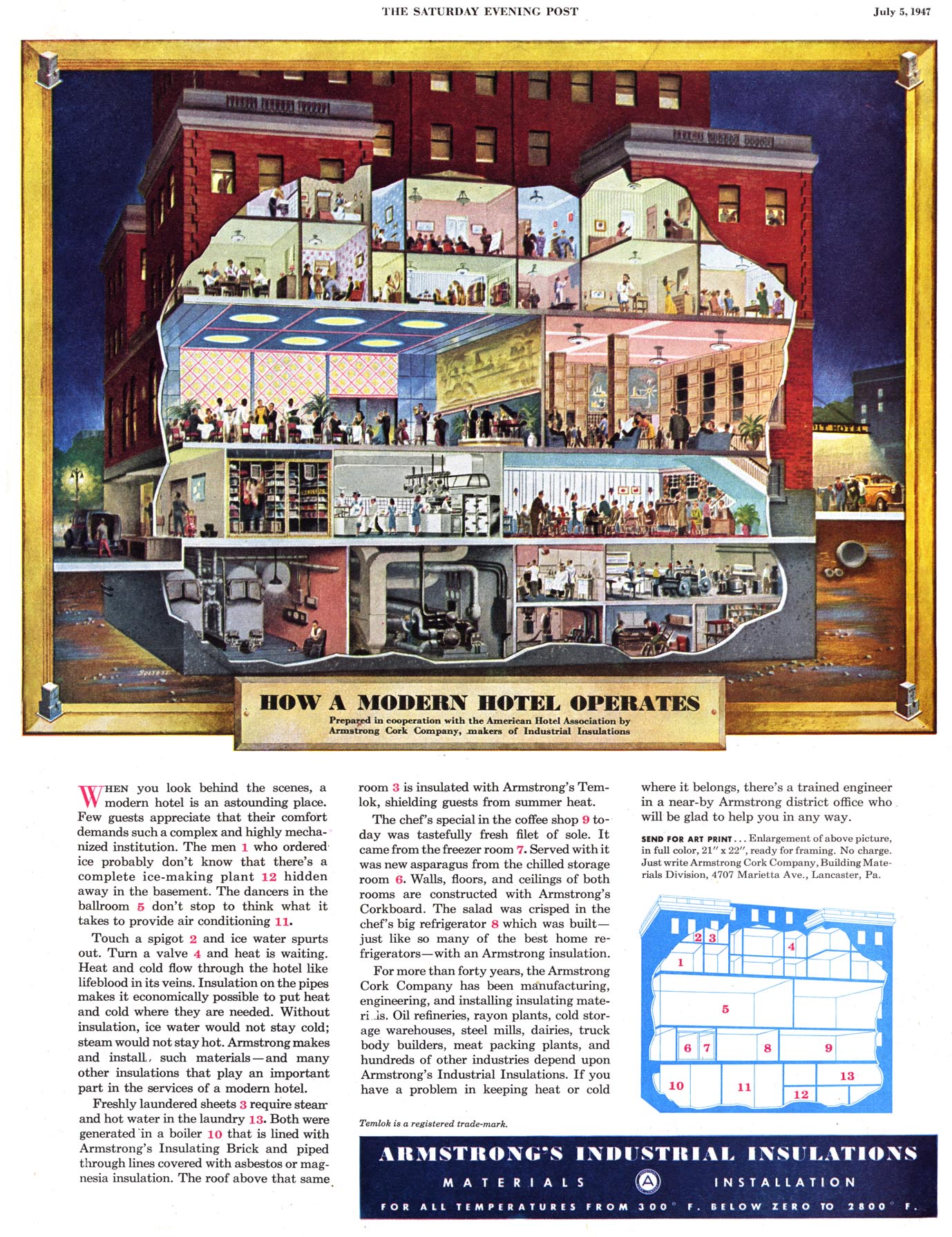
We love looking at vintage infographics, in particular cutaways and cross-sections (we are in fact working a book about them, we’ll keep you posted very soon!) One of the gems we have found lately is the work of Frank Soltesz. Born in Pennsylvania in 1912 and active from the 30’s to the 60’s, Soltesz was a versatile commercial illustrator who had a love for large cutaways. He spent part of his career working for the BBD&O advertising company.

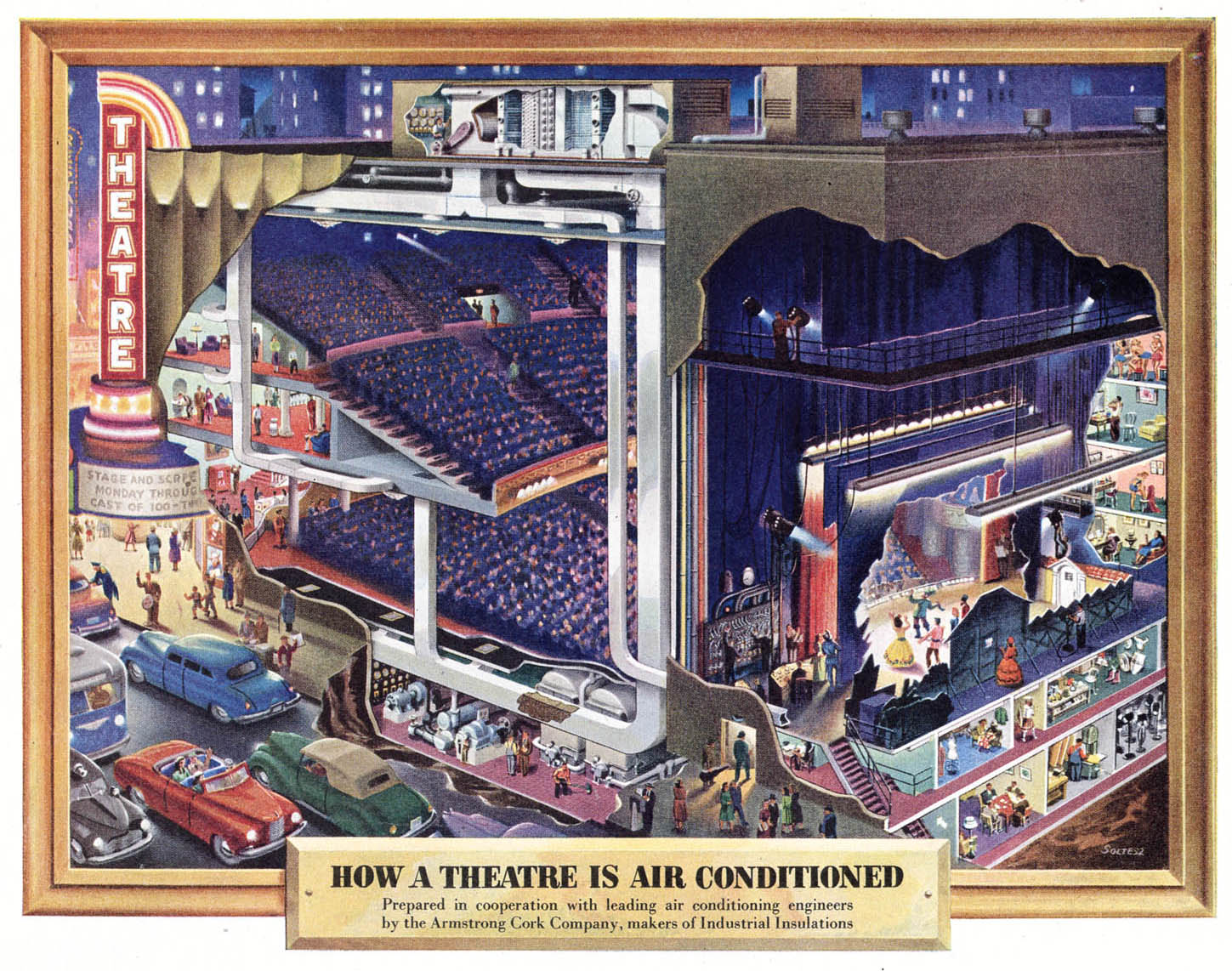
Among his best work is a series of 29 advertising cross-sections published between 1947 and 1951 to show how the Armstrong Cork Co. company’s products were utilized. We show some of them here. These illustrations appeared in the Saturday Evening Post and show lavishly detailed images of buildings and factories with their walls partially removed. The more you look at the scenes and the tiny human figures as they move about, the more engaging they become. Each illustration has an inset with the key. They had a drawn frame and title and readers could request 21 by 22 inch copy suitable for framing or even a free booklet with some of the illustrations.

soltesz3b

soltesz4 soltesz6 soltesz8 soltesz9 soltesz7

There is remarkable lack of biographical detail about Soltesz. He was a member of the American Watercolor Society as late as 1981. In addition to his commercial work for Armstrong Cork Co., Soltesz worked with accounts of other companies such as TWA (an example below), General Electric, General Motors, Goodyear Tire and Rubber, etc.  Apart from the Saturday Evening Post, his work appeared in many of the great periodicals of his time like Life, Colliers, Esquire, Sports Illustrated, Forbes, Fortune, Time, Business Week, U.S. News and World Report.

soltesz16

The Ultimate Book on Bread

110 Hydration Crumb2.jpg

A few years ago we had the honor to participate in the making of the most beautiful cook book ever made. It was called Modernist Cuisine: The Art and Science of Cooking, by Nathan Myhrvold, Chris Young and Maxime Biletand. It consist of 2,430 pages divided into five massive volumes that weigh a total of 43 pounds (including 4 pounds of ink). It includes thousands of gorgeous photographs, and 36 of them are annotated cutaways. The authors actually cut through pans, barbecues, ovens and pressure cookers (just to name a few) and photograph them beautifully. We helped make the photographs into annotated infographics.

Toaster Cutaway2.jpg

Now Nathan Myhrvold is doing it again. A new book, titled Modernist Bread: The Art and Science will hit the bookstores in March 2017, and will include some of our graphics. Four years in the making, the company’s website cites some impressive stats:

“The culinary team has developed more than 1,200 recipes from around the world that are both traditional and avant-garde. At over a million words so far, Modernist Bread will total over 2,000 pages and feature more than 3,000 new photos”.

It will be, we think, the definitive book about bread.

Recent work: The National Museum of African American History & Culture

African_American_Musem

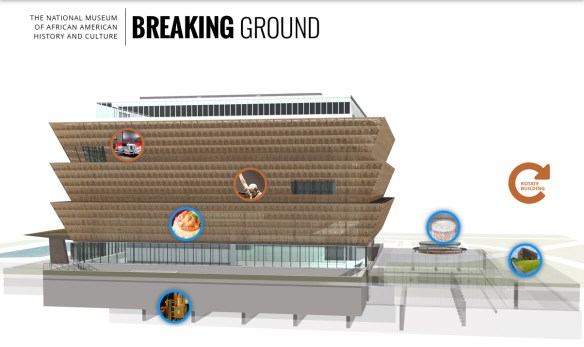
The National Museum of African American History & Culture is the newest addition to the Smithsonian Institution. The museum, by lead designer David Adjaye and lead architect Philip Freelon, holds over 35,000 artifacts. It will open its doors on September 24 in the National Mall of Washington, D.C. Like the rest of the Smithsonian museums in D.C., it will be free.

Smithsonian magazine asked us to work on a simple interactive showcasing the building and explaining some of the major features and attractions visitors will encounter throughout the museum. Take a look!

We use vector illustration much more frequently that 3D, but this time we rendered the building using Lightwave and SketchUp in order to animate it and to show the intricate metalwork design of the corona’s 3,600 panels. The metalwork “pays homage to the unheralded ornamental ironworkers, slaves and freedmen who crafted the signature wrought iron of southern towns like Charleston, South Carolina, and New Orleans, Louisiana”. The external shape of the building, a three-tiered bronze trapezoid, wraps around the outside of the glass building. The design is inspired by a sculpture from the early 20th-century Yoruban artist Olowe of Ise that is also shown in the museum.