Behind the Art with James Gurney

Tyrannosaur-Gurney

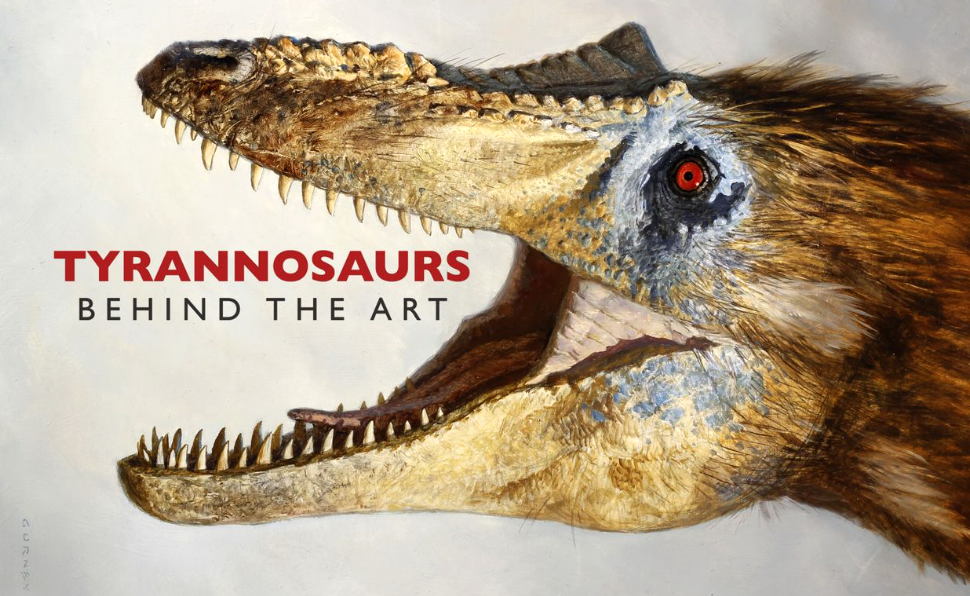
A few weeks back we mentioned in this blog the job we did for Scientific American about  new species of tyrannosaurs that have been discovered in the last few years. That job included the creation of an infographic, and the art direction for the opener spread. In the later, we had the privilege of working with the great painter James Gurney, the creator of the famous Dinotopia series. He also created the impressive illustration shown above for the cover of that SA issue.

Now James has released a fascinating video showing the process of creation for both illustrations. There is a five minute version (below), and a 40 minutes HD version available here and here for purchase. James happens to be, in addition to an incredible painter, an excellent art teacher. If you are interested in painting, you should check out his YouTube channel, chock full of nicely crafted instructional videos.

GurneyOpener

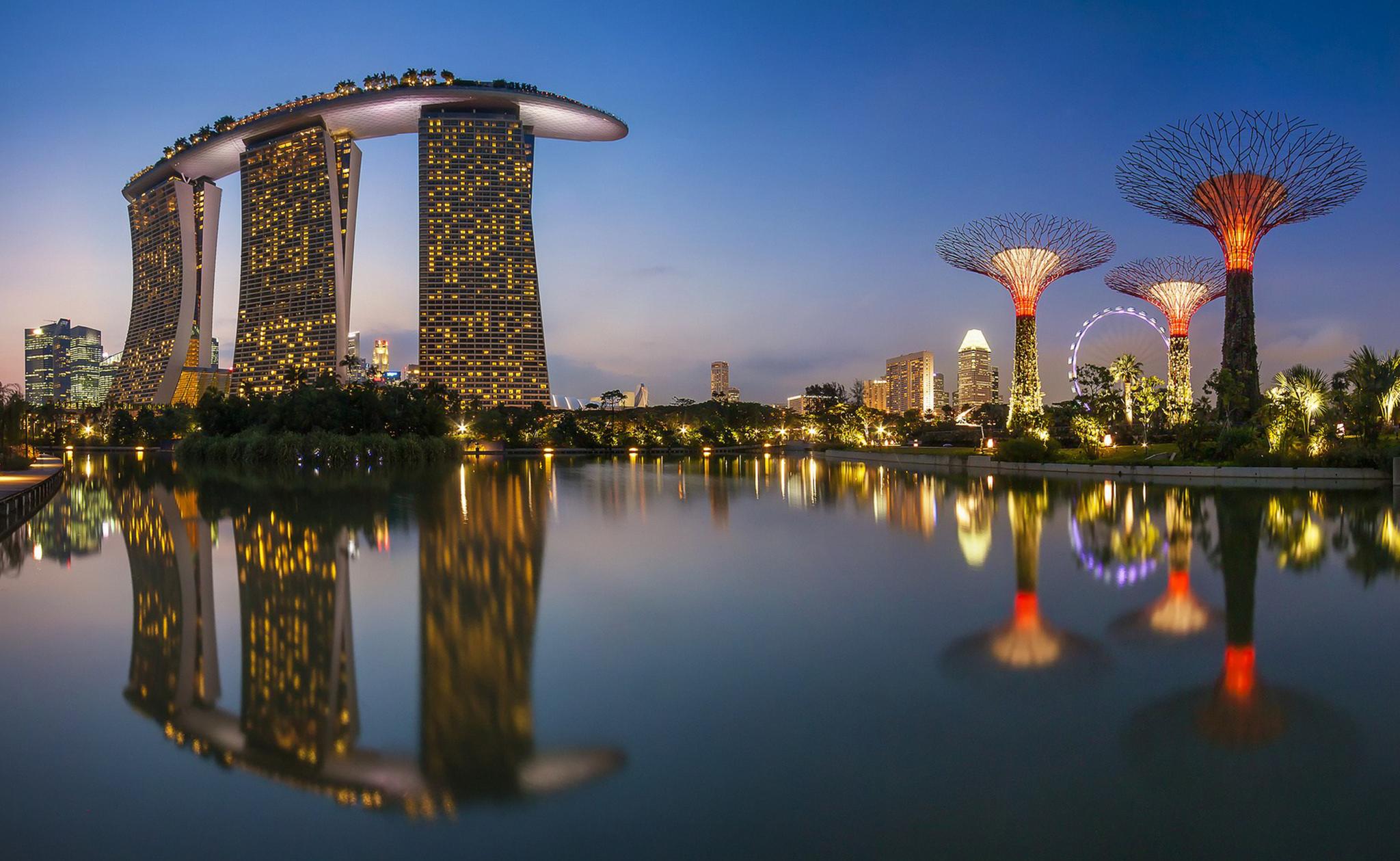
Our “Power of Infographics” workshop is back in Singapore

Singapore

Following the success of the previous workshop in January, we are coming back to Singapore on May 21-22 with our Power of Infographics workshop. The event is hosted by Methodology in partnership with Gestalten, the German leading publishers specialized in visual culture.

Banner_WorkshopJVelasco_500x610_2

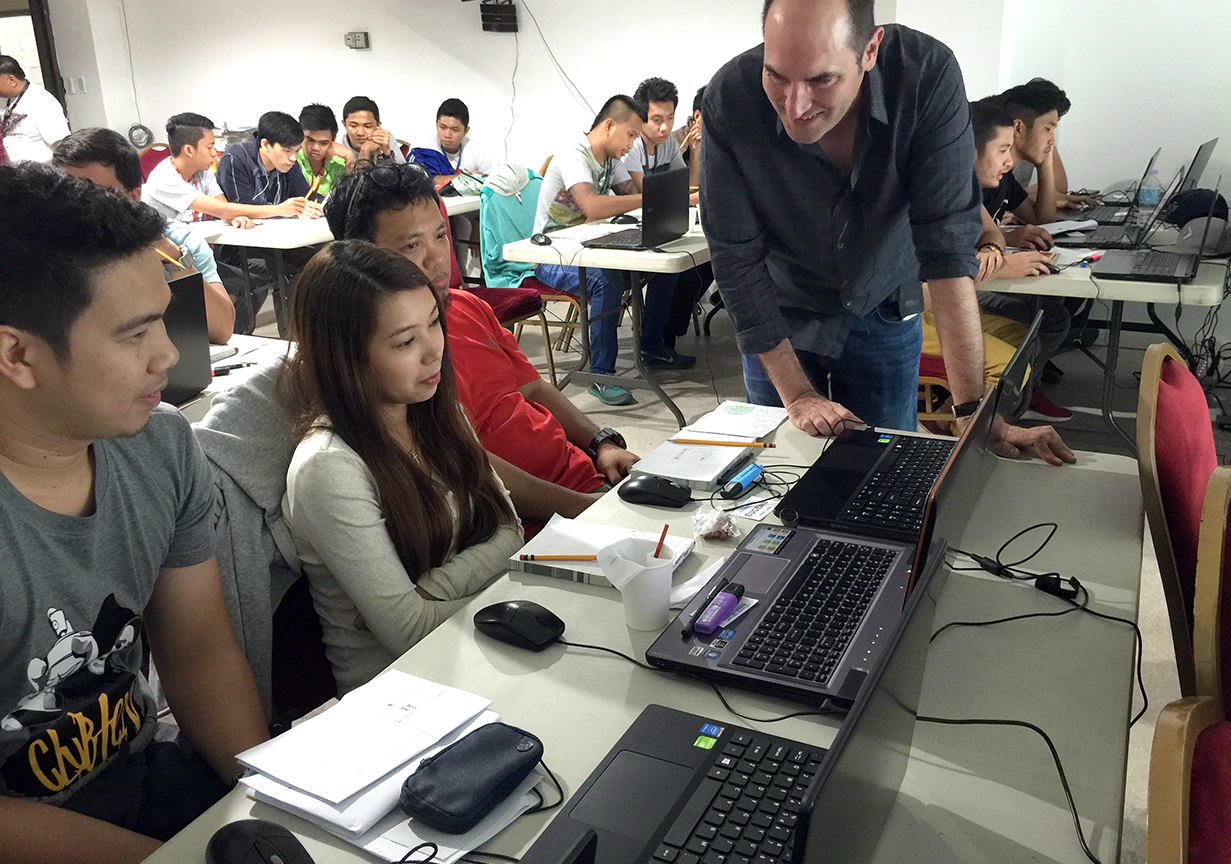
The two-day workshop by 5W’s co-founder Juan Velasco (ex Graphics Art Director at The New York Times and ex-Art Director of National Geographic magazine) will be a comprehensive review of information graphics and data visualization, both in print and online. We’ll have a chance to create hands-on work running through the entire process: gathering and preparing data, working with statistics in Excel, sketching, storyboarding… By the end of the workshop the attendant wills have a completely sketched-out illustrated infographic with multiple components and a functioning online data visualization including interactive charts and maps. We’ll use the free Tableau Public for our interactive exercises.

Juan_teaching

Juan will also provide numerous lectures on the theory and practice of information graphics showing step-by-step examples of award-winning infographics and covering the latest trends. We’ll learn which charts are best to use for different types of data; what type of maps are useful to give insight into our data sets or to locate stories, and how they are created; the tools and processes for successful motion graphics… We will also experiment with hierarchy, color, typography, illustration, and narrative to create effective infographics that make an impact.

Seats are going fast! Reserve yours now by emailing admin@methodology.sg

Workshops in Malaysia and Indonesia

Workshops

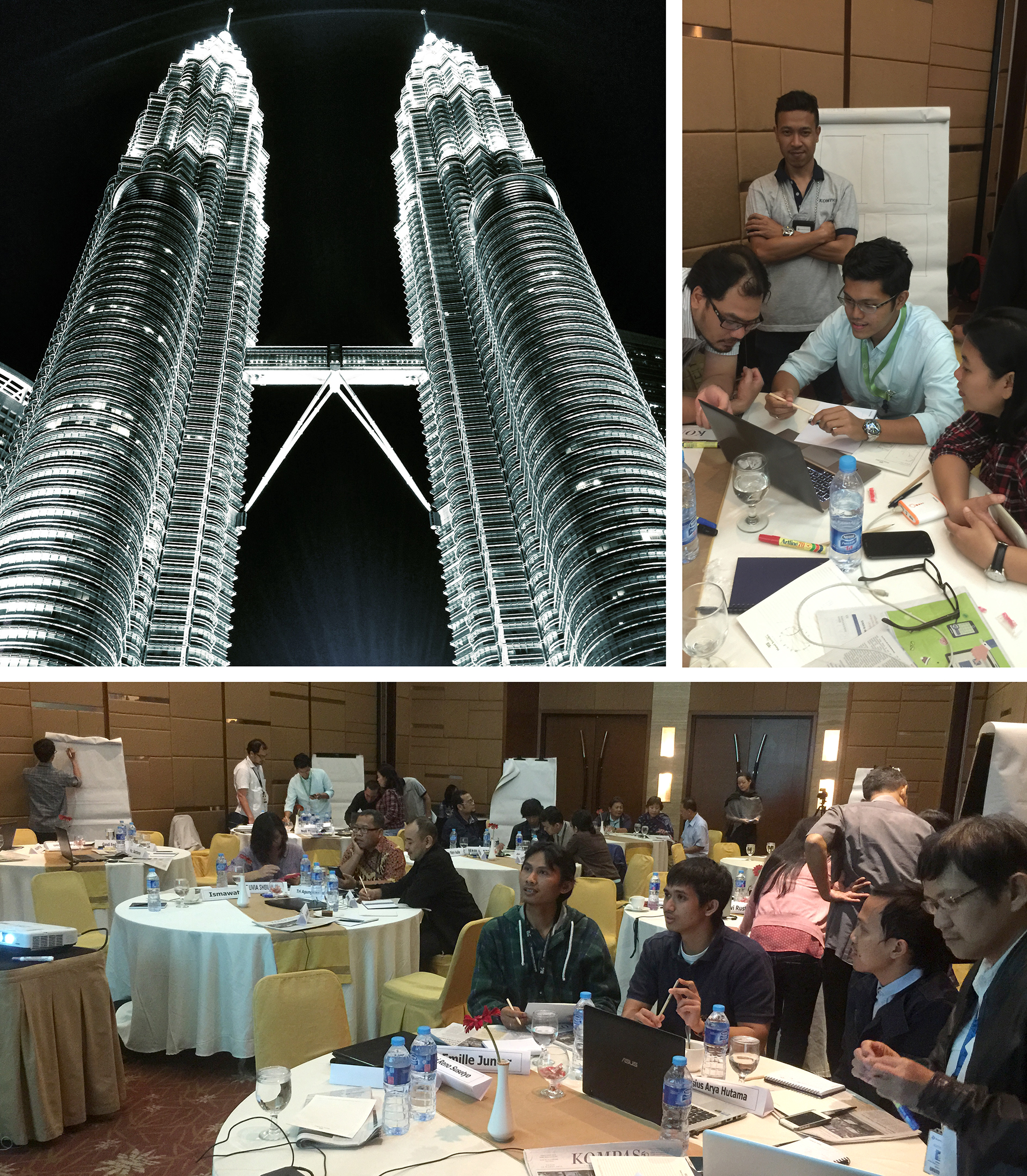
We were back to South East Asia at the end of March to teach information graphics and data visualization workshops in Kuala Lumpur (Malaysia) and Jakarta (Indonesia). Both events were focused on interactive graphics, data visualization and the print-to-web challenge.

The workshops were organized by WAN-IFRA, the World Association of Newspapers and News Publishers. WAN-IFRA is a global organization representing more than 18,000 publications, 15,000 online sites and over 3,000 companies in more than 120 countries.

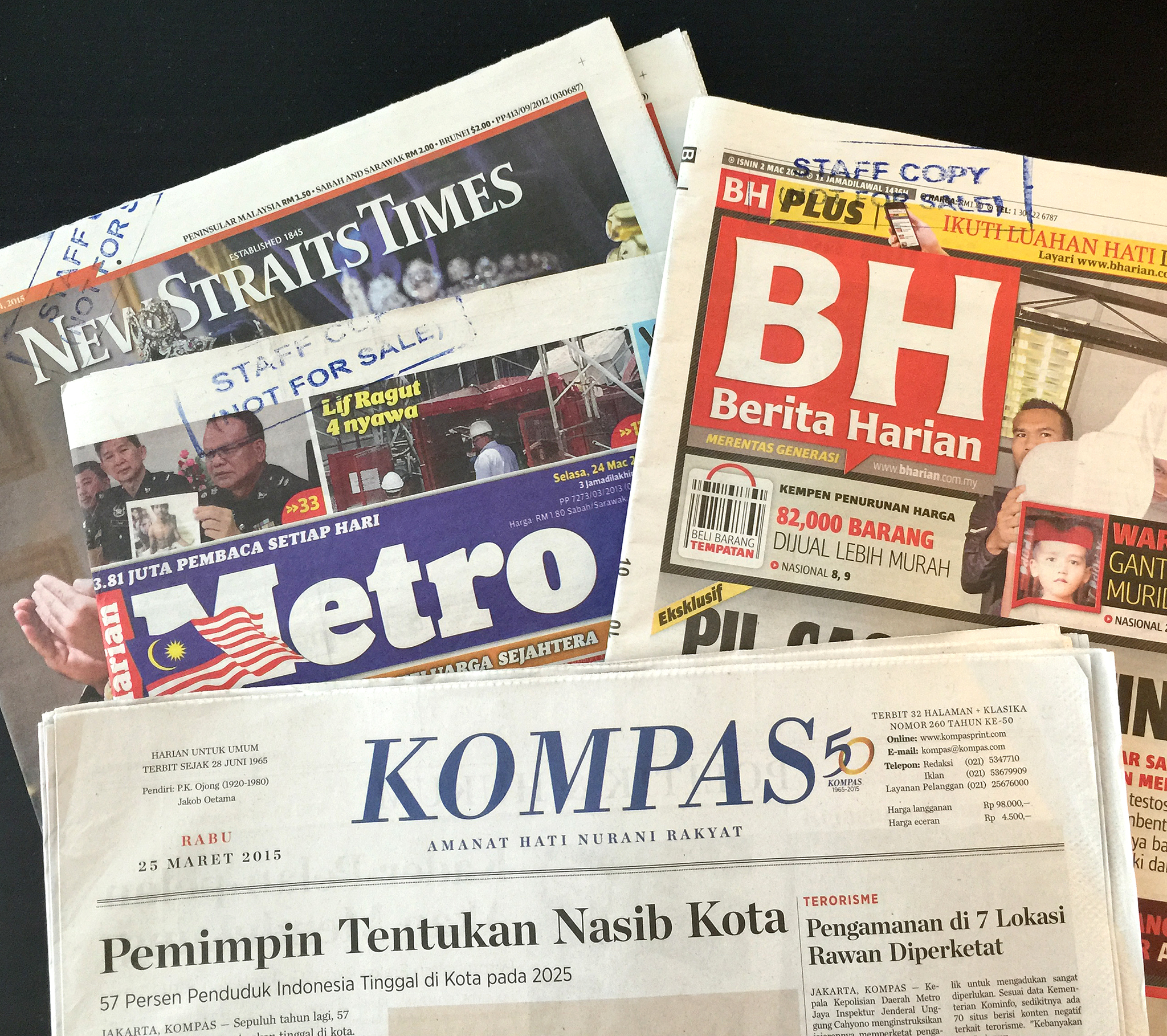
In Malaysia, we were hosted by Media Prima group, a leading Malaysian publishing company. The participants were designers and editors from The New Straits Times, the group’s English-language newspaper and the oldest newspaper in Malaysia (1845); Berita Harian (BH), a mainstream newspaper in Malay; and Harian Metro, a popular human interest daily and the largest newspaper of Malaysia in any language.

Newspapers

In Jakarta, we worked with Kompas, the largest circulation newspaper in South East Asia, and surely one of the best. Kompas has excellent print design (it was redesigned by Mario Garcia). They have had a digital presence for some time, including nice tablet offerings, and they are now trying to enhance their infographics online. They do plenty of really nice print infographics, like this one about the pinisi, a traditional Indonesian two-masted sailing ship.

Kompas_Pinisi

The failing promise of GIS mapping in news (and some free maps)

In 1992 the Miami Herald first introduced GIS mapping to journalism in a significant way with their Pulitzer-winning reporting on the damage caused by Hurricane Andrew. A new era in investigative news mapping was beginning… However, fast forward (23 years!) and very few news organizations are taking advantage of modern cartography.

During ten years at National Geographic I was lucky to work with an amazing cartographic department that is highly skilled at using GIS software to produce detailed spatial analysis and (largely) automated mapping. GIS (Geographic Information System) software links location information in the form of databases with latitude and longitude coordinates to different types of information: demographic data to census tracts or divisions, election results to provinces, land use to natural or urban areas, etc. The user decides what layers (which may come from government or private sources) are going to be combined in order to visualize, analyze, and interpret the data to show relationships, patterns, and trends.

All oil and gas platforms, pipelines, leases, wetlands and protected area in the Guld of Mexico, made with GIS layered data. Copyright National Geograpic Society


A dismal state of affairs
During recent workshops in different countries I have been shocked to discover that 95% (if not more) of newspapers and magazines (particularly out of the US) still produce maps at a fairly basic level by taking screen grabs from Google Maps and painstakingly retracing them in Illustrator. Line by line, one push of the mouse after another. This procedure is the general standard today. These are of course simple geographic maps (large areas or cities) rather than the kind of thematic/data mapping that can bring visual insight to a story in a powerful way. I’ve been to a few newspapers that are the leaders in their respective countries and have never even heard the term GIS.

Why is GIS not ubiquitous in journalism in general and graphics departments in particular, as it is in many other industries? (disclaimer: I’m not a GIS user myself but I think it should be part of the skill set of any graphics department).

GIS packages such as ArcGIS or the Illustrator plugin MAPublisher are quite expensive, and the learning curve is high. There are free options such a QGIS (see a terrific tutorial by LA Times’ Len De Groot here), but newspapers rarely commit to diving in or understand its power. It’s amazing since there is so much to gain from GIS to uncover patterns though spatial analysis.


Are web mapping tools the new “GIS”?
Today, free web mapping tools like Tableau Public and Google Fusion Tables allow for easy and free data mapping. In many ways, these tools have somehow replaced the usage of GIS for journalists seeking to simply layer datasets to visualize spatial patterns. The Guardian and other major organizations have used them deftly in the past. But they don’t give the same analytical depth or access to GIS datasets.

D3.js can create nice interactive mapping as well (but you’ll need programming skills). TileMill from Mapbox, CartoDB are good online mapping tools, and you’ll also need some specialized skills.


Free maps!
In any case, for the “99%” out there (the occasional mapper or graphics departments that for whatever reason just need some base maps and can’t use GIS or even pay), here are three useful map sources:

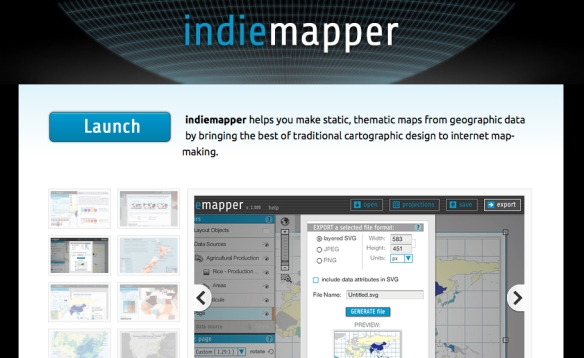
Indiemapper. You can generate vector maps (physical or political), re-center and reproject them (let’s say from a flat world map centered in Europe to a globe centered in Asia) and export them as SVG files that you can open in Adobe Illustrator. Very useful! It can also importing KML (from Google Earth) and Shapefile formats.
Indiemapper

Natural Earth is a fantastic open source raster and vector map dataset at three different scales created by volunteer NACIS members and cartographers around the globe. Nathaniel Vaughn Kelso and Tom Patterson led the effort. In his fantastic Shaded Relief website, Tom Patterson (Chief Cartographer at the U.S. Park Service) offers some nice globes free to download and use (you can overlay the boundaries in Photoshop with a “multiply” effect). But of course, proper GIS software is what you would need to create your own customized visualizations and projections. These globes were create with Natural Scene Designer, a great package (and not that expensive) that is a favorite among National Geographic staff,

OpenStreetMap is less known that I would have expected in newspapers: It’s an open source collaborative effort with really detailed maps down to the street level for most locations in the world. The Wikipedia of mapping, if you will. It’s a fantastic source and free to use (but do give proper attribution), but the export process to Adobe Illustrator is quite cumbersome, with additional software and plugins needed. You’ll need a fair amount of work to fix the ways masks layers and polygons get exported.

Your local government cartographic institutions may be just a click or phone call away with nice vector maps if you try them. If you download from the Internet, remember you can open PDF and SVG files in Illustrator, but make you sure you have the permission/rights to use what you find.

There are many free vector maps sources around that you can use (just Google them) and well as paid collections such as Mountain High Maps Plus, but none that I would recommend without a detailed review.

Note: I don’t endorse any particular program or intend to create a comprehensive review here. The mentioned software are just a few samples and I’m sure there are many other competent mapping solutions out there.


Workshop in Chennai, India

Vadapalani_Murugan_Temple_Chennai_18204

I’ll be teaching an information graphics workshop in Chennai, India, on January 22 and 23. It will be a hands-on event for designers, editors, and anyone interested in information design and data visualization. The workshop is organized by WAN-IFRA, the World Association of Newspapers and News Publishers. This is our first venture in India, a vibrant market where dailies (especially the popular vernacular press in Hindi, Malayalam, Marathi and Telugu) are growing strongly, proving the newspaper crisis is far from universal. The Times of India, an English language newspaper, has a circulation of over 3.3 million copies daily. However, the transition to digital is being quite slow, and even more so in the case of infographics. I’m curious to see the situation first-hand. I’ll report back!

Out now: Understanding the World, The Atlas of Infographics

Taschen’s new large format book on infographics has been out in the U.S. for a few days. The luxurious volume, by Sandra Rendgen and editor Julius Wiedemann, follows the same format as the Information Graphics volume published in 2012. The new book includes 280 contemporary and vintage visualizations, including seven fold-out spreads.

Cover 2

The book is structured in several chapters

index

We are proud Sandra (whom I had the pleasure to meet a couple of times in Washington and in Berlin) chose our “Cosmic Journeys” graphic for National Geographic as one of the 4-page foldouts. The graphic has been showcased and reprinted numerous times but we gasped in awe when we saw it at this size, and in such fantastic paper!

Unfolded space

Personally, I was also also happy to see a piece I did a few years ago at National Geographic. It’s an infographic explaining the latest science on how memory works. A lot of research went into it. Bruce Morser created the amazing art.

Memory 2

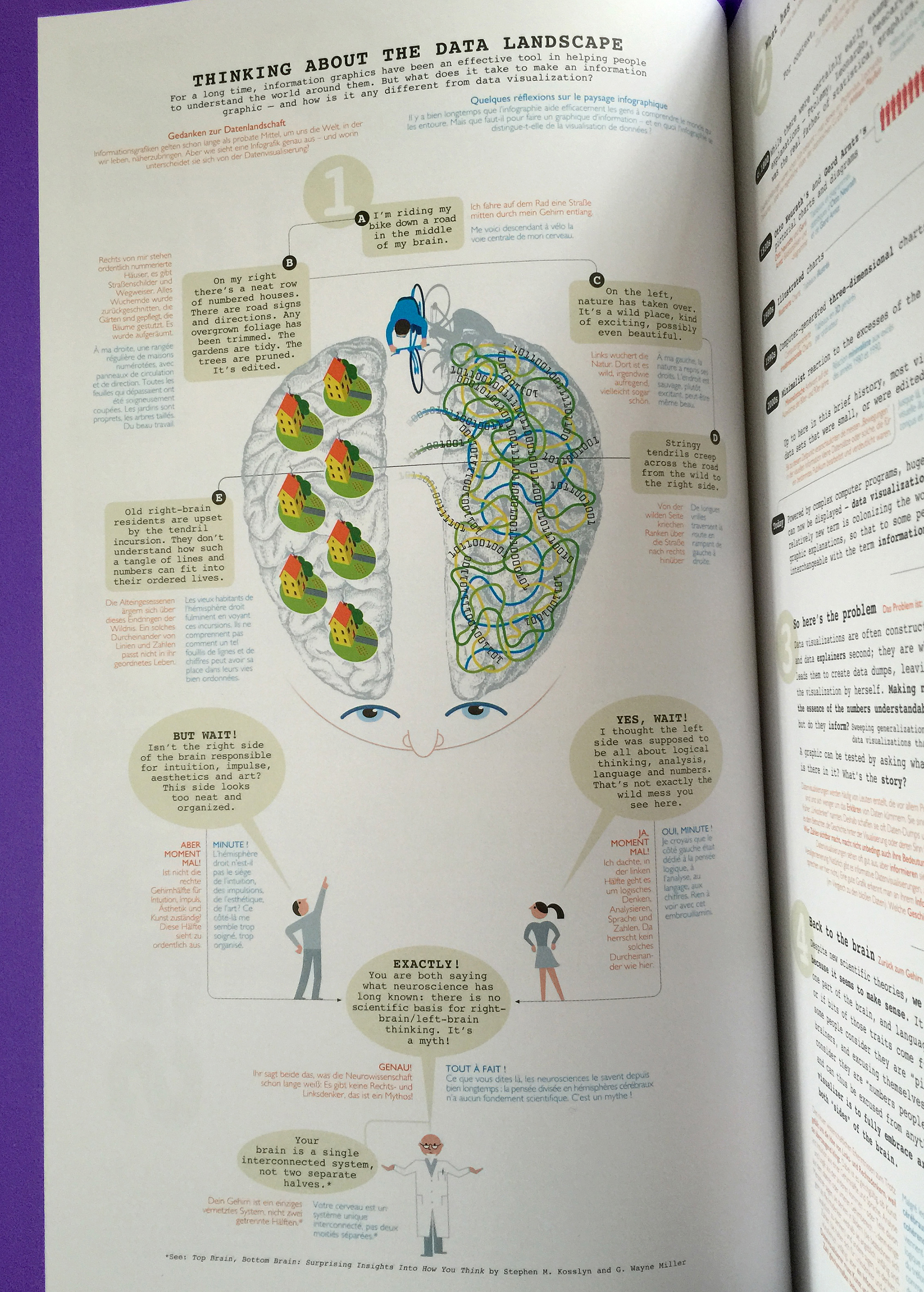
The introduction of the book features an interesting new graphic by Nigel Holmes. In his classic style of clean illustration and excellent step-by-step explanation, Nigel looks at the history of information visualization and the changing data landscape, and attempts to bring some light to an always murky issue: what are the differences between information graphics and data visualization?

Nigel Holmes graphic 2

The selection in the book and the top quality production of Understanding the World make it an essential addition to any infographics library.

Five infographics workshops in South East Asia

South East Asian newspapers

I have recently spent over three weeks teaching five infographics workshops in South East Asia in association with WAN-IFRA, the World Association of Newspapers and News Publishers. Quite a trip!

Below the Petronas Towers

The schedule included in-house training for the staff of several news organizations (The Bangkok Post newspaper, The Manila Bulletin newspaper and Astro Awani, a major television and online organization based in Kuala Lumpur, Malaysia). I also had two public workshops in Singapore (which included staff from The Straits Times) and in Jakarta, Indonesia.

At the Manila workshop

At the Manila workshop

Some hand sketching in Manila

Hand-sketching smarthpone graphics in Manila

Most of the workshops focused on interactive graphics, data visualization and the print-to-web challenge, but there was also a lot of content on print infographics and even print layout design. Luckily, in most cases the attendee list included chief editors from the media organizations. The reality at a global scale is that most editors still assign graphics as decorative elements to make pages “pretty”. They often need a better understanding of how data visualization, process diagrams, or smart thematic mapping can elevate the journalistic quality of their publication while making it more visually engaging. Graphics departments are little more than service sections receiving assignments and not being used as visual journalists that generate and research infographics ideas.

Group Photo at Astro Awani

Group Photo at Astro Awani

I took the opportunity to better understand the media landscape in the region (where print newspapers are often still growing) and the status of infographics. The Bangkok Post is one of the two major English-language newspapers in Bangkok, and the Manila Bulletin is the largest and oldest newspaper in the Philippines. Both publications have very skilled artists but they are still trying to find their way in the creation of good data-driven infographics.

I would say the biggest surprise was Kompas, the leading newspaper of Indonesia (the surprise only reveals my previous ignorance). The design of this daily (both Mario Garcia and Roger Black made redesigns in the past) is every bit as good as any of the major European newspapers, and so are the excellent graphics. I also liked The Straits Times from Singapore, but that wasn’t a surprise as I had seen their good graphics before.

Next January, 5W will be conducting new workshops with WAN-IFRA in India and coming back to Singapore in association with German publishers Gestalten and local design think tank Methodology. In the meantime, I need some rest after visiting 5 countries in 23 days!

A rent vehicle in Manila... and driver

A vehicle for rent in Manila… and driver


Three out of 310 million people, visualized

The Washington Post ran a very surprising infographic yesterday. See it here. Visual comparisons of different amounts are always an effective tool. I’ve seen dot density graphics (or however you may want to call them) representing large amounts, but I don’t think I’ve seen anyone trying to visualize 310 million individual shapes (the whole population of the United States).

The goal of the graphic is to challenge the reader to find the three people infected with Ebola in the country (two nurses that tended to Thomas Eric Duncan and were infected by him, and Duncan himself, killed by the virus). Here you can see a tiny portion. You’ll need a coffee, snacks and a robust finger to scroll through the entire thing.

Washington_Post Ebola

At first I found myself irritated by the endless scrolling and the inability to find the three red dots. I also didn’t think it was a good idea to establish a comparison without being able to visualize the whole dataset at once rather than parts of it as you scroll (I wonder what they did in print). But then I thought not finding the dots regardless of how much you scroll was precisely the point the Post is trying to make: to show Ebola in the U.S. is a non-issue. A good response to the hysterical media coverage we have seen so far. By the way, here is an article from Vox.com ranking threats to Americans by actual threat rather than media hype (a highly un-scientific ranking, as they admit).

So now I kind of like the Post graphic! What do you think?


New book releasing today: The Best American Infographics of 2014

A few days ago I received an advance copy of The Best American Infographics, 2014, the latest installment of the series introduced last year by the publishers of the popular “Best American…” series (with long-established titles like “Best American Short Stories” and “Best American Nature and Science Writing”). Based on their focus on writing, it was surprising and commendable that publishers Mariner and the series editor, Gareth Cook, have decided to shift their attention to infographics.

BAI2014FinalCover

Once again, this year I was part of the “Brain Trust” charged with selecting some of the best infographics published in North America during the previous year. Other Brain Trust members include Alberto Cairo, Jen Christiansen, Amanda Cox, John Grimwade, Nigel Holmes, Maria Popova, Simon Rogers, Nathan Yau and others.

This year’s book is introduced by Nate Silver, the ex-New York Times statistician and author of The Signal and the Noise, and founder of ESPN’s FiveThirtyEight.com.

The book is divided in 4 somewhat arbitrary groups called You, US, Material Word, and Interactives. I wouldn’t say all the awarded (published) graphics deserve to be there, or that there are not very notable omissions, but overall it’s a good and representative sample that infographics aficionados will enjoy. If anything, the selection feels a bit short.

Perceptive readers will be watchful enough to look elsewhere for a more complete sampling of the current state of infographics, since there is a lot of amazing work being done out of North America. The most complete representation of each year’s best infographics at a global level is still the annual volume published by the Malofiej conference with the winners of the previous year’s competition (and the added bonus of really good articles).

Malofiej book

The Best American Infographics includes a hefty contribution from National Geographic, jobs I was involved in as Art Director of the magazine (for the most part this means I was lucky enough to work with the brilliant people that actually created them).

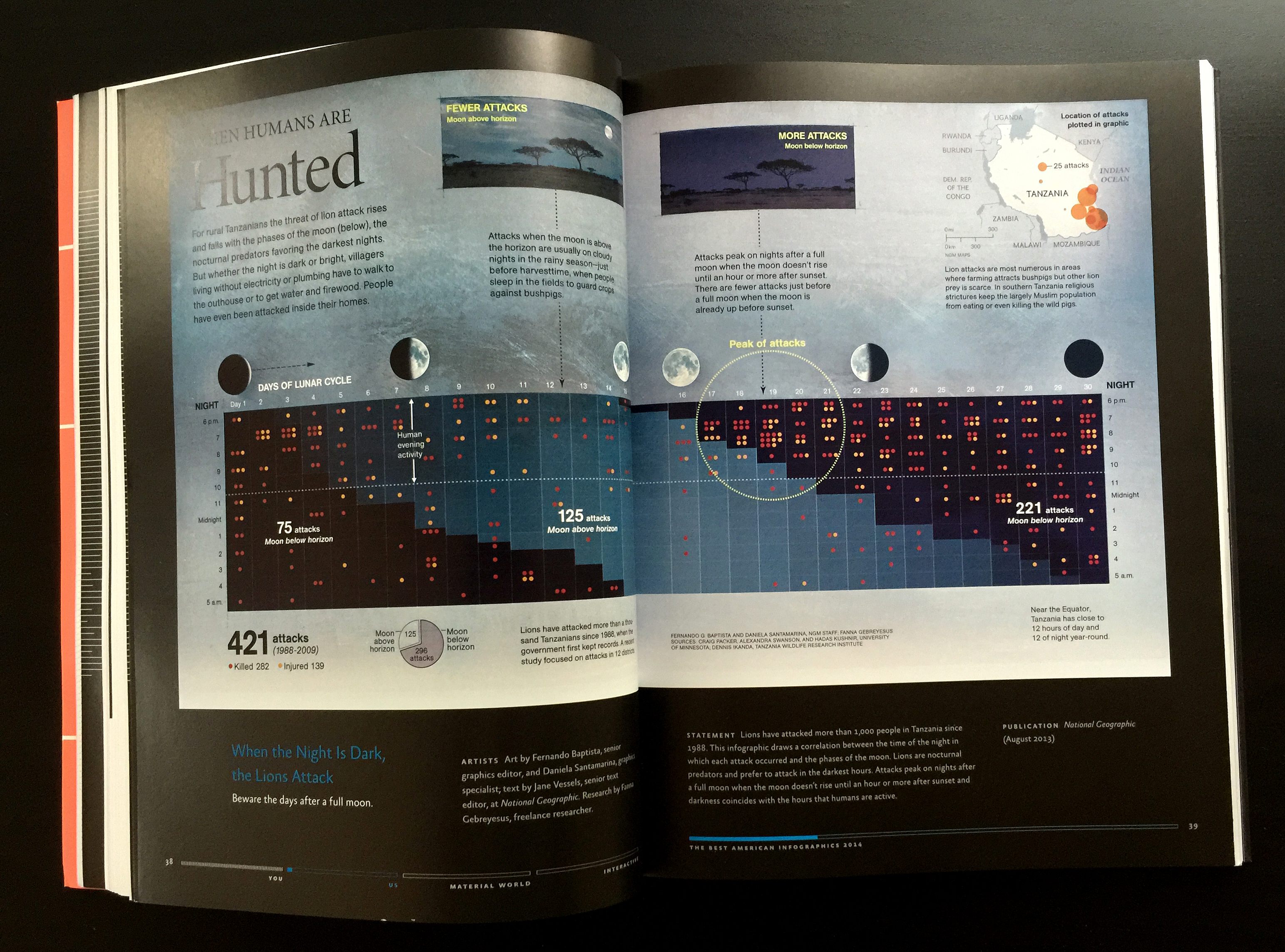
One of my favorites is “Hunted”, a fabulous example of data visualization by Fernando Baptista. Very rarely you see Fernando working on charts and non-illustrated, data-driven graphics, but this example really shone. Fernando documented more than 400 lion attacks to humans in Tanzania since 1988 (with over 1,000 injured or killed). The infographic draws a correlation between the time of the night in which each attach occurred and phases of the moon. Lions are nocturnal predators and prefer to attack in the darkest hours. Attacks peak on nights after a full moon when the moon doesn’t rise until an hour or more after sunset and darkness coincides with the hours when hum as are still active. The textured background and hand touches gives it a unique look. Daniela Santamariña, Jane Vessels and Fanna Gebreyesus also contributed.

BAI14 Hunted

Fernando and Ginny Mason worked together on their stunning poster “Perilous Journeys” (also in the book) on migratory bird species threatened by hunters in European countries as they arrive from Africa.

BAI14 Birds

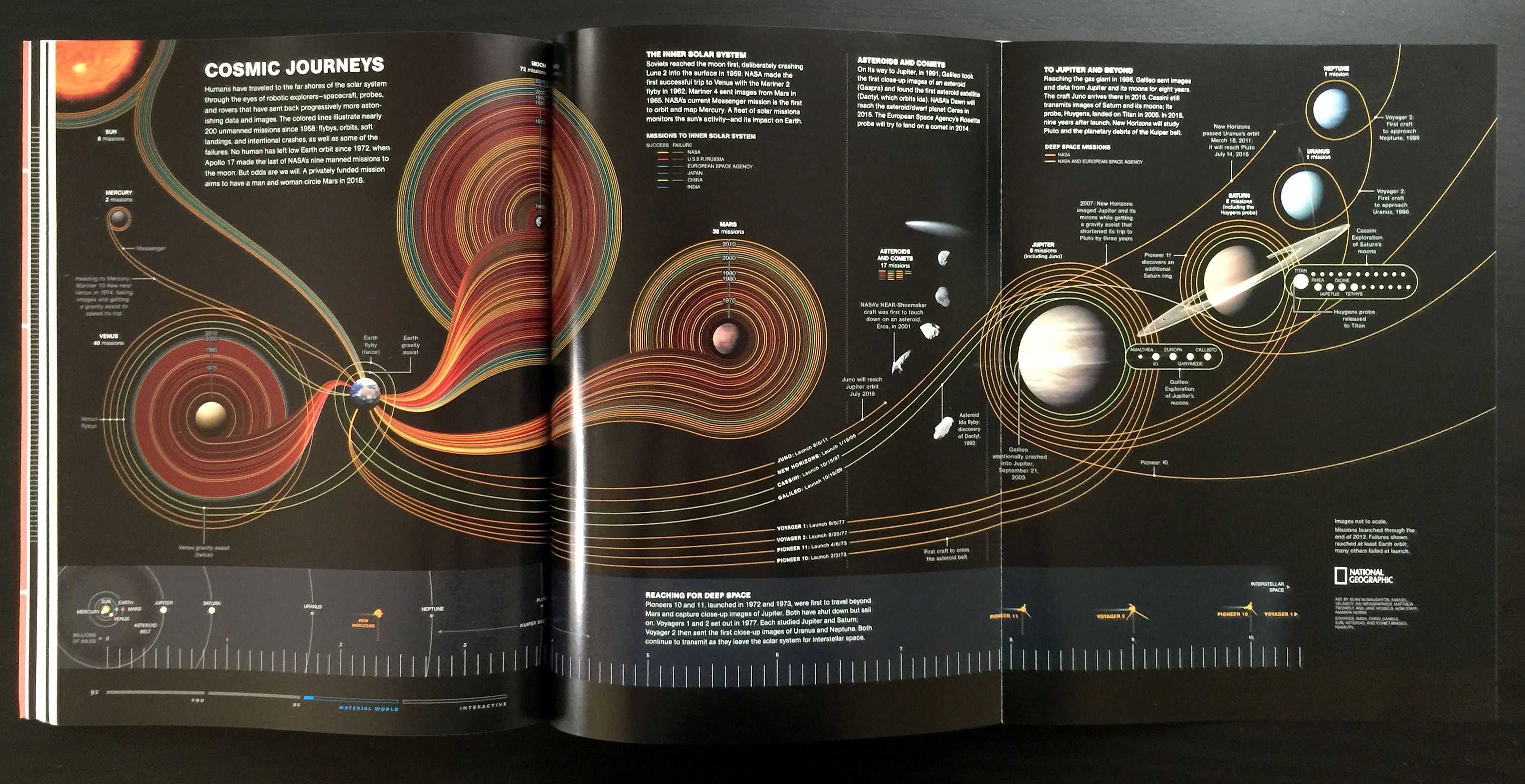
The editor chose to publish 5W Infographics’ “Cosmic Journeys”, even though I warned him the graphic had been published before. But it was a refreshed version. For a recent reprint in National Geographic I decided to reorganized the text of the graphic completely (leaving the visuals untouched except for data updates). Now text flows in a more logical (and better aligned) sequence. The graphic shows every single space mission to the Solar System and beyond since the beginning of the Space Race. Color coding of the lines indicates which country  sent the mission out (Click on the image to enlarge it).

BAI14 Space

The book’s cover was designed by Carl De Torres and works as an infographic by itself. Carl asked the Brain Trust members to provide words to complete the sentence, “infographics have the power to…”, and plotted the results with elegant bars.

BAI 14 Detail

The book ends with the so-called top ten American interactive graphics of 2013. you can see all the winners here. At less than $15 in Amazon, The Best American Infographics is a great bargain.